









Post Contents [hide]
Probiotics and prebiotics. Do you know the difference? And how they work together to give you better health? You've probably heard of probiotics, but what about prebiotics?
The names may sound similar, but each plays a different (and complementary) role in the health of your digestive system.
If you want to take care of it, getting enough probiotics and prebiotics is a must. Read on to find out why:
What are probiotics and prebiotics?
Probiotics are the good bacteria living in your gut. They help your body by:
- Breaking down and digesting food.
- Supporting overall gut health.
- Ensuring the immune system works well.
They also play a role in how you think and feel. Gut bacteria can improve the production and regulation of hormones like insulin and leptin. They've been found to produce neurotransmitters such as serotonin, dopamine and GABA - which play a key role in your mood.
Prebiotics are food for the good bacteria. They come from the indigestible fiber found in certain plant-based foods. With names like oligosaccharides, galactooligosaccharides and inulin, they stimulate the growth and activity of the beneficial bacteria (probiotics) in your body. All prebiotics are fiber, but not all fiber is prebiotic.
To be healthy, you need both probiotics and prebiotics. They work together to support your microbiome - the community of trillions of bacteria in your body that help it function properly.
It's a synergistic relationship. Without prebiotics as fuel, probiotics would starve - leaving you open to a range of problems, such as leaky gut, a disrupted immune system and constipation.
Benefits of probiotics: what these beneficial bacteria can do for you
Improve gut health
Probiotics are known to be good for your digestion. A healthy digestive system helps minimize gas and bloating. Probiotics may help improve symptoms of irritable bowel syndrome, Crohn's disease, urinary tract infections and other health conditions.
Strengthen the immune system
Probiotics have been shown to strengthen your immune system's action against various invaders. Having a healthy population of bacteria in your gut protects you from harmful microbes, such as an overgrowth of yeast, fungi and viruses.
Support mental health
Your gut is sometimes called your "second brain," and the balance of bacteria in it directly affects your mental health. Probiotics help with anxiety, depression, autism spectrum disorder, obsessive-compulsive disorder, and even memory problems.
Lower blood pressure
Probiotics can help lower blood pressure. Regularly eating probiotic foods can help you keep your blood pressure within a healthy range, whether you have cardiovascular disease or simply want to protect yourself from it.
Support weight loss
According to studies, eating probiotic foods while dieting can help you lose up to 50% more weight than if you don't eat enough of them.
Which foods are rich in probiotics?
You'll find probiotics in a variety of plant-based foods. Sour and fermented foods contain especially large amounts of beneficial, probiotic bacteria. Some of the best probiotic foods include:
- Sauerkraut: Sauerkraut is packed with probiotics created during the fermentation process. Freshly fermented is best, since it retains the highest nutrient density.
- Kimchi: This traditional Korean dish is made by fermenting cabbage and other vegetables.
- Tempeh: A fermented soy product high in protein and probiotics.
- Miso: A staple of Japanese cuisine, miso paste is typically used as a soup base and as a flavoring in many dishes.
- Natto: An unusual food with a unique texture and aroma, natto is made from fermented soybeans and is rich in probiotics.
- Kefir: a cultured, probiotic food, usually made from cow's milk.
- Yogurt: To stay plant-based, choose dairy-free versions, which can also contain probiotics. Avoid sweetened varieties, since sugar can be bad for your digestive health.
- Pickled vegetables: While cucumbers may be the most popular option, any type of pickled vegetable can provide probiotics, as long as it hasn't been pasteurized.
What health benefits do prebiotics offer?
Besides serving as food for probiotics, supporting your gut health and improving your immune system - prebiotics offer additional benefits when you consume them:
- They increase mineral absorption and have potential anti-cancer properties, anti-inflammatory and other immune-supporting effects.
- They promote normal blood sugar levels.
- Prebiotic foods promote feelings of fullness, which helps prevent obesity and supports weight loss.
- They strengthen bone health. Prebiotics increase the body's absorption of minerals, including magnesium and possibly iron and calcium, which are needed for strong bones.
Which foods are richest in prebiotics?
To keep a good amount of probiotics in your body, some of the best prebiotic foods to eat include:
Chicory root: Raw chicory root is one of the best prebiotic food sources, since it contains 65% fiber.
Acacia gum: Also known as acacia fiber, you can stir the powder into water and drink it, or take it as a supplement. Remarkably, it has even more fiber than chicory root - that's 86% fiber, making it one of the most powerful prebiotics on the planet!
Garlic: Garlic contains inulin and another prebiotic, fructooligosaccharides (FOS). To get the full benefits, eat foods that include raw garlic as an ingredient, such as hummus or salsa.
Leafy greens: In case you need another reason to eat them, researchers have found that leafy greens, like spinach, are abundant in prebiotics.
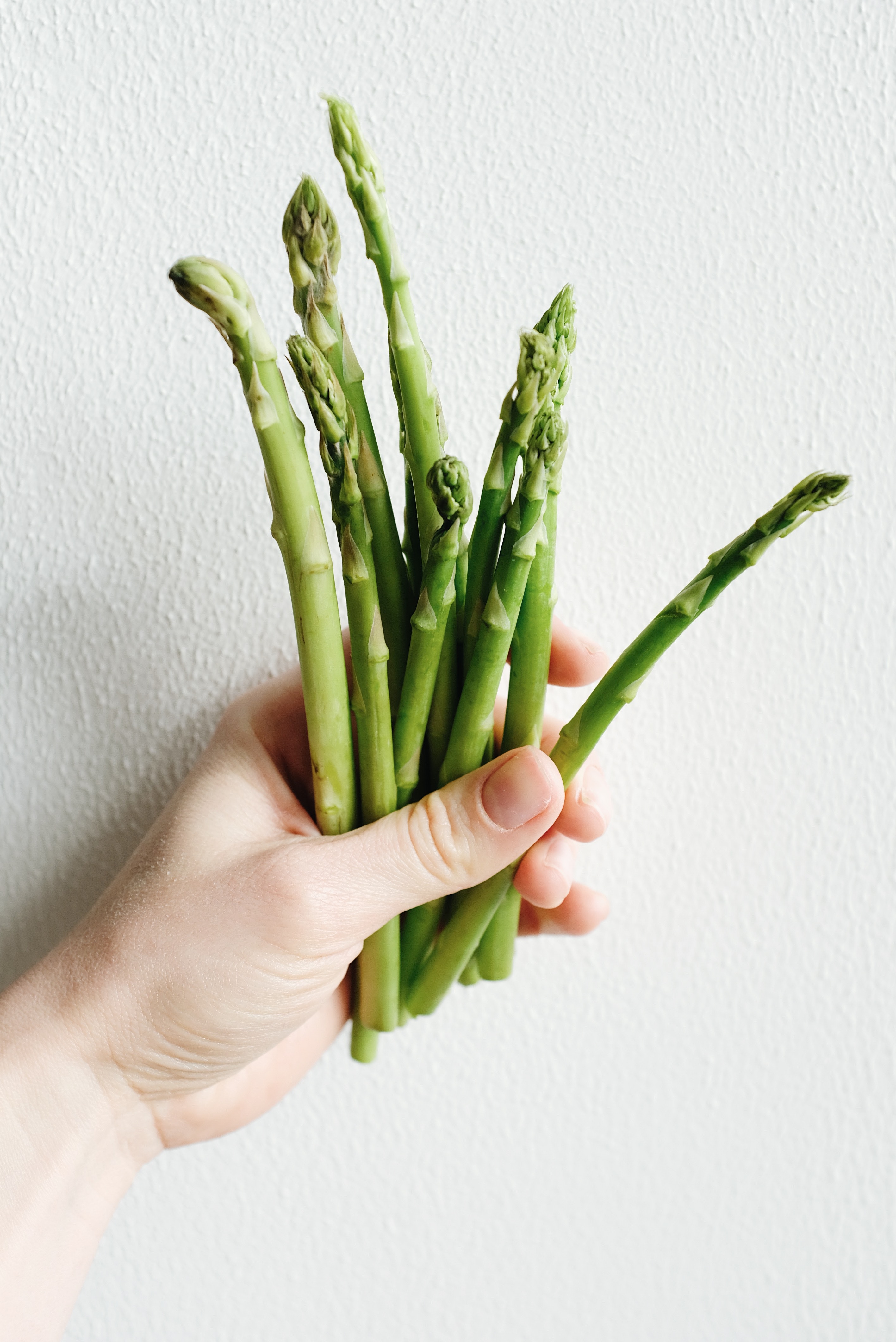
Asparagus: Eating asparagus raw is best if you want to get a good amount of probiotics. Try slicing it into a salad. Or, if the texture seems too tough, you can lightly steam it.
Legumes: Legumes, such as beans, lentils and chickpeas, are packed with oligosaccharides, a type of prebiotic.
Bananas: Bananas are known to soothe the gut naturally and reduce bloating. For the greatest probiotic effect, choose slightly underripe bananas.
Should you take probiotic supplements?
You may need to take a probiotic supplement for the following reasons:
- When taking antibiotics;
- To improve your gut health;
- If you're stressed or traveling;
- To boost your immune function, and when you're sick with a cold or the flu;
- To help manage conditions such as irritable bowel syndrome, diarrhea, colitis, acne and eczema.
If you want to choose the right probiotics and prebiotics in supplement form, trust clean products with minimal chemical content. Smidge offers premium-quality products that pair a real-food diet with maximum nutrient absorption, supporting healthy digestion.



