Heat, sun, sea – they're officially here, but without the right care during this scorching season, we can quickly end up with some unexpected issues, such as magnesium deficiency. Magnesium is the mineral that regulates numerous processes in the body, and in more unusual weather conditions it can act as our “shield” against stress. But before we look at the individual situations each of us faces during summer and how magnesium compounds support us, let's first take a look at…
Magnesium deficiency in hot weather
For most food supplements to have a positive effect, it's important to be consistent with intake. Some studies confirm this, showing that it takes around 4-6 weeks of continuous magnesium intake to notice the first effects, regardless of the season. Summer tends to call for a more active intake of the mineral, due to the factors that cause its loss – high temperatures and fluid loss. It's involved in over 300 biochemical reactions in the human body, and regular intake of its various forms (magnesium compounds) could not only improve a deficiency in the body, but also help regulate some of the “negative effects” of summer.
Dehydration and body temperature regulation with magnesium chloride
A key problem each of us faces in summer is easy dehydration. Due to the high temperatures, sweating increases, and maintaining an optimal body temperature becomes difficult. Through the fluids we lose, our body's magnesium stores are also easily depleted, and excessive sweating can lead to a deficiency of the mineral. The “vicious cycle” closes when, with less magnesium in the body, it becomes harder to cope with the heat, leading to even more sweating.
The compound magnesium chloride offers high bioavailability in its dissolved state, supporting proper thermoregulation, tissue hydration, and the electrolyte balance that is so important in hot weather. A clinical comparison of calcium, potassium and sodium with magnesium chloride found that, in its dissolved state, magnesium has a significantly higher chance of retaining water in cells due to its strong bond with water molecules.
If you want to learn more about the different magnesium compounds and how to use them, don't miss our article on the topic.
Help for sunburn with magnesium sulfate
Better known as Epsom salt, magnesium sulfate is an inorganic salt naturally derived from mineral deposits found in seawater. It can be used both externally and internally, with its main action associated with supporting the skin, nails and hair – recovery after injuries, burns, skin inflammation, and pigmentation spots.
To soothe skin after intense sun exposure, various creams, lotions and even homemade balms are typically used. Since magnesium sulfate can be found in salt form, these salts are ideal for a relaxing bath after the beach, allowing the skin to absorb the mineral and nourish itself. In water they break down into magnesium and sulfate, so they're easily absorbed by the skin and help with both its condition and muscle and joint aches. On the other hand, exfoliating with the salts removes dead skin cells and has a beneficial effect on blackheads.
*Please note that exfoliating the skin is not a good idea if it is sunburned or irritated from strong sun exposure.
Better sleep and good cognitive function with magnesium glycinate
Summer is the season with the longest days, and we usually sleep less and more lightly then because of the heat. This shift can put stress on our circadian rhythm and the quality of our sleep. The form of magnesium bound with the amino acid glycine can ease such symptoms, making summer nights calmer and more pleasant.
Glycine promotes relaxation in the body by regulating the neurotransmitters and hormones involved in the sleep-wake cycle such as melatonin and cortisol. Magnesium, in turn, acts as a natural calming agent for the nervous system. Besides the fact that the amino acid increases the absorption rate, regular intake of magnesium glycinate has a complex effect, also helping with sensory-motor disorders such as restless leg syndrome.
Energy and muscle support with magnesium malate
Magnesium malate combines the essential mineral with organic malic acid, extracted mainly from fruit. This compound is known for improving energy levels and mood. During the warm months, our energy may not be at its best and we may lack our usual vitality, precisely because of the “draining” effect of high temperatures. In sufficient amounts, the acid generates energy in cells by metabolizing carbohydrates, proteins and fatty acids, while the mineral acts as a coenzyme for converting tryptophan into serotonin (known as the “happiness hormone”).
Good digestion with magnesium citrate
This type of magnesium has one of the most complex effects – it's a good source of magnesium ions, needed by every tissue in the body, and it's involved in more than 300 enzyme systems. It regulates protein production, nerve and muscle signal transmission, blood pressure, blood glucose and much more.
Summer is also a period when stomach bugs are common, often accompanied by discomforts such as constipation. One of the well-known properties of magnesium citrate is that it promotes bowel movement and hydration, helping to avoid pain and constipation, as well as strengthening the intestinal barrier.
Of course, all of the above is highly individual, and magnesium, regardless of its form, can only have a beneficial effect with regular and safe intake. Side effects from taking it are usually rare, but for a visible positive effect, we recommend consulting a specialist.
How to get magnesium from food in summer?
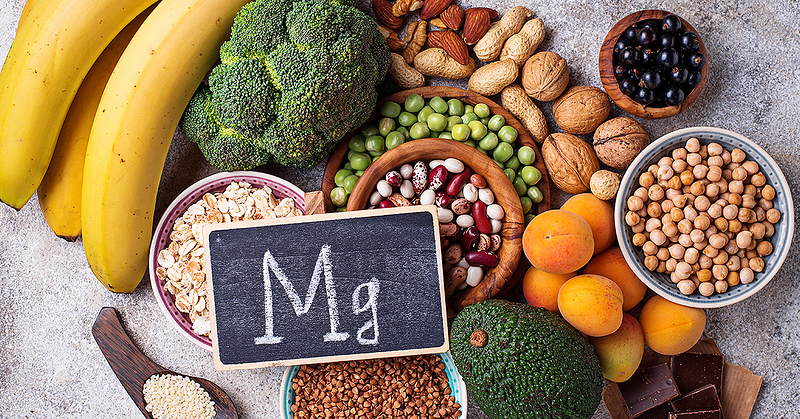
The warm months offer a rich variety of fresh fruits and vegetables, which, besides bringing the taste of summer, also come with numerous beneficial properties for the body. Among the magnesium-rich foods we can find in the warm season are most leafy green vegetables – spinach (78 mg of magnesium per 100 g), nettles (57 mg of magnesium per 100 g)*, kale (33 mg per 100 g). A fresh summer salad with the right ingredients is a great way to avoid magnesium deficiency. Avocado (29 mg per 100 g), black beans (70 mg per 100 g), and pumpkin seeds (156 mg per 100 g), for example, are perfect additions to a shared summer dinner, and they're also rich in fiber. Separately, a clinical study shows that getting enough magnesium can improve the condition of people with certain stomach ailments caused by inflammation – such as colitis, Crohn's disease, celiac disease, and others.
*The recommended daily allowance for an adult is 310-420 mg.