









Post Contents [hide]
- What is the keto diet?
- What is ketosis?
- The different types of keto diet
- What are the benefits of the keto diet for the body?
- Is the keto diet right for everyone?
- Which foods should you avoid on the keto diet?
- Which foods are beneficial on the keto diet?
- An extra dose of protein during the keto diet
Have you noticed how, lately, every conversation about healthy eating and lifestyle inevitably ends up touching on the keto diet?
Naturally, this way of eating has become the most talked-about and widely followed method for helping you lose weight and improve your health.
But what exactly is the keto diet?
Who is it suitable for? Is it safe?
And how can you apply it to your everyday life?
To help you answer these questions, we've gathered in one place all the information you need if you decide to follow a keto diet. Here's what you should know:
What is the keto diet?
The legendary keto diet is an eating plan very low in carbohydrates and high in fat.
It involves drastically reducing carbohydrate intake and replacing it with fat. This reduction in carbohydrates puts the body into a metabolic state called ketosis.
What is ketosis?
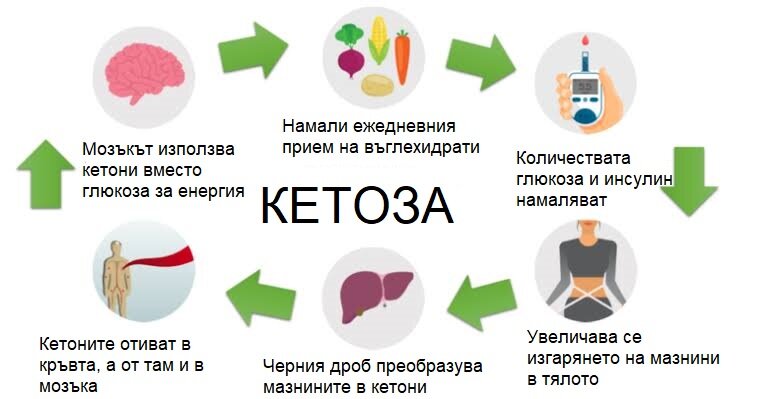
Ketosis is a metabolic state in which fat provides most of the fuel for the body. It occurs when there's limited access to glucose (blood sugar), which is the preferred fuel source for many cells, especially the brain.
To enter ketosis, people usually need to eat less than 50 grams of carbohydrates a day, and sometimes even less than 20 grams a day. This requires removing certain foods from the diet, such as grains, candy, and sugary soft drinks. Legumes, potatoes, and fruit also need to be eliminated.
On a low-carbohydrate diet, levels of the hormone insulin drop, and fatty acids are released from the body's fat stores in large amounts. Many of these fatty acids are transported to the liver, where they're oxidized and turned into ketones – molecules that can provide energy for the body.
Unlike fatty acids, ketones can cross the blood-brain barrier and provide energy to the brain when glucose is scarce. The brain is an organ that needs large amounts of energy every day. Accordingly, during ketosis, much of the ketones produced are „used up“ by the brain itself. The rest of the body can burn fat directly, without needing to convert it into ketones first.
When your body is in a state of ketosis, it becomes remarkably efficient at burning fat for energy. Fat burning happens around the clock, and the lower your insulin levels are, the easier it is for the body to reach its fat stores and burn what's accumulated there. Following a keto diet low in carbohydrates and moderate in protein can lead to a significant reduction in blood sugar and insulin levels. All of this brings numerous benefits for health and beauty.
The different types of keto diet

There are several versions of the keto diet you can try. These include:
Standard ketogenic diet: This diet is very low in carbohydrates, moderate in protein, and high in fat. It typically consists of 75% fat, 20% protein, and only 5% carbohydrates.
Cyclical keto diet: This diet includes periods of higher-carbohydrate eating, such as 5 ketogenic days followed by 2 high-carbohydrate days.
Targeted keto diet: This diet allows you to consume carbohydrates around workouts, when you're burning more calories.
High-protein keto diet: Similar to the standard keto diet, but includes more protein. The ratio is often 60% fat, 35% protein, and 5% carbohydrates.
That said, only the standard and high-protein ketogenic diets have been widely studied. Cyclical or targeted ketogenic diets are more advanced approaches, used mainly by bodybuilders or athletes.
What are the benefits of the keto diet for the body?
Besides being highly effective if you want to lose weight and get in shape, studies show that the diet can affect a wide range of different health conditions, such as:
Obesity: The keto diet is an effective way to lose weight and reduce risk factors for disease. What's more, the diet is varied enough that you can lose weight without counting calories or tracking food intake.
Cardiovascular disease: Following a keto diet can improve risk factors such as body fat, high HDL cholesterol levels, blood pressure, and blood sugar.
Cancer: The diet is currently being used to treat several types of cancer and to slow tumor growth.
Alzheimer's disease: The keto diet may reduce the symptoms of Alzheimer's disease and slow its progression.
Epilepsy: Studies show that following a keto diet can lead to a significant reduction in seizures in children with epilepsy.
Acne: Lower insulin levels and eating less sugar or processed food can help improve the condition of the skin and treat acne.
Is the keto diet right for everyone?
According to most studies, the keto diet is safe for most people. However, there are certain groups of people for whom switching to a low-carbohydrate, high-fat diet may cause more harm than good. Do NOT turn to the keto diet if:
You are pregnant or breastfeeding
Pregnancy and breastfeeding are not periods when it's a good idea to lose weight. Cutting out an entire food group would deprive your body of nutrients that are important to it during this time.
You have diabetes
If you take insulin to manage your diabetes, cutting out carbohydrates can lead to dangerously low blood sugar levels.
You have digestive issues
Low-carbohydrate diets also tend to be low in fiber. But if you struggle with irritable bowel syndrome (IBS) or chronic constipation, getting enough fiber can be key to maintaining your health.
If you fall into any of these groups, be sure to consult your doctor or a specialist before starting any diet.
Which foods should you avoid on the keto diet?
Any food high in carbohydrates should be limited.
Here's a list of foods you should reduce or eliminate while on the keto diet:
High-sugar drinks: soda, fruit juice, milkshakes, cake, ice cream, candy, etc.
Grains or starches: wheat-based products, rice, pasta, cereals, etc.
Fruit: All fruit, except small berries such as strawberries.
Beans or legumes: Peas, beans, lentils, chickpeas, etc.
Root vegetables and tubers: potatoes, sweet potatoes, carrots, parsnips, etc.
Low-fat or diet products: These are highly processed and often high in carbohydrates.
Unhealthy fats: Limit your intake of processed vegetable oils, mayonnaise, etc.
Alcohol: Due to their carbohydrate content, many alcoholic drinks can knock you out of ketosis and interfere with the diet.
Sugar-free diet foods: These are often rich in sugar alcohols, which in some cases can affect ketone levels. These foods are also highly processed.
Which foods are beneficial on the keto diet?
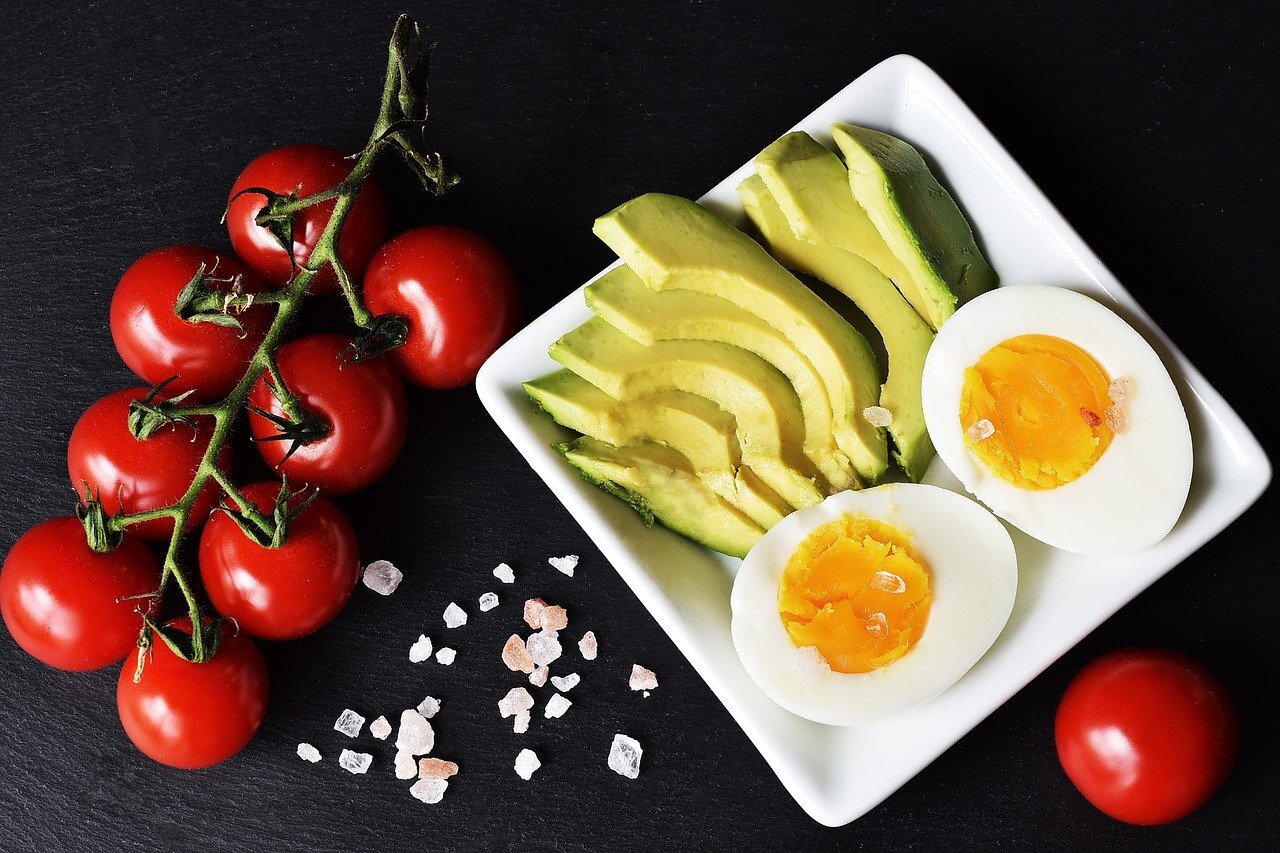
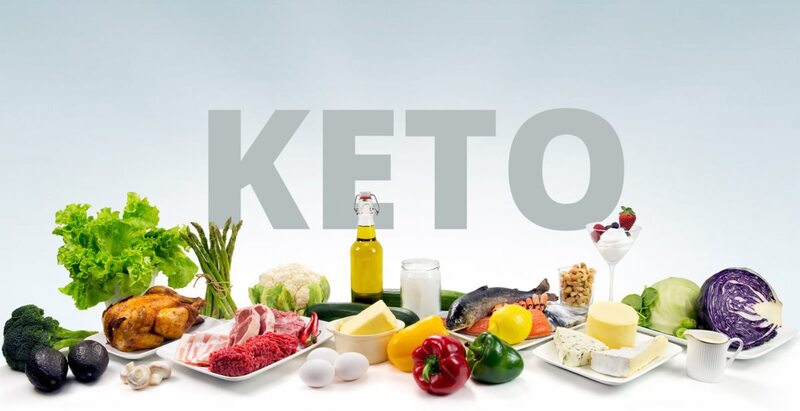
Most of the food you eat while on the keto diet should include:
Meat: Red meat, steak, ham, sausage, bacon, chicken, and turkey.
Fatty fish: such as salmon, trout, tuna, and mackerel.
Eggs.
Butter and cream: Look for organic products of proven quality
Cheese: Unprocessed cheese (cheddar, goat, cream, blue, or mozzarella).
Nuts and seeds: almonds, walnuts, flaxseed, pumpkin seeds, chia seeds, etc.
Healthy oils: mainly extra virgin olive oil, coconut oil, and avocado oil.
Avocado: Whole avocados or freshly made guacamole.
Low-carbohydrate vegetables: most green vegetables, tomatoes, onion, peppers, etc.
Seasonings: You can use salt, pepper, and various healthy herbs and spices.
An extra dose of protein during the keto diet
As the most abundant structural protein in the human body, collagen can be found in the muscles, bones, skin, hair, nails, tendons, and organs. Like glue, it holds the body together, forming our connective tissue and repairing wounds.
As we age, our body produces less and less collagen, which leads to wrinkles, sagging skin, brittle nails, and other issues. Consuming more collagen and boosting our body's own collagen production is especially beneficial when it comes to the keto diet.
This way of eating is suitable for guarding against inflammation, easing pain, supporting cognitive function, and maintaining weight loss. However, the diet (especially the limited protein intake) can have some drawbacks for muscle mass and joint and gut health.
That's why it's important to prioritize your collagen intake if you decide to go on a keto diet. Trust Keto Collagen with Vanilla + MCT to give your body everything it needs for a successful keto diet. You can add it to your favorite coffee or juice every morning. You can cook with it or sprinkle it over your favorite salads. It's that easy!



