









Post Contents [hide]
- What Exactly Is Vitamin C?
- What Are the Benefits of Vitamin C?
- How Much Vitamin C Do You Need Each Day?
- What Happens When You're Deficient in Vitamin C?
- What Happens to Your Body If You Take Too Much Vitamin C?
- Which Foods Should You Eat to Give Your Body the Vitamin C It Needs?
- Should You Take Vitamin C as a Supplement?
- Vitamin C and COVID-19
Worried about colds or flu? For many of us, the way to ward off illness is to take large daily doses of vitamin C. For many years, this has been one of the best-known and most widely used vitamins. Now, in the era of COVID-19, when what we eat and how well we support our immune system matters more than ever, it's a good idea to take a closer look at vitamin C.
Can it really help prevent colds and other viral infections?
How does vitamin C work within the immune system, and is it worth considering a daily vitamin C supplement?
And if so, how should you choose a vitamin C product?
You'll find the answers to all of these questions below, where we've gathered everything you need to know about vitamin C in one place.
What Exactly Is Vitamin C?
Vitamin C, also known as L-ascorbic acid, is a water-soluble vitamin and a powerful antioxidant. Unlike fat-soluble vitamins such as A and E, water-soluble vitamins are not stored in the body. This means that any vitamin C your body doesn't absorb today will be excreted in your urine. And the next day, you'll need a new dose.
While most animals can synthesise their own vitamin C, humans cannot. Other exceptions include monkeys, guinea pigs, fruit-eating bats, some insects, fish, certain reptiles and some species of birds. Because we can't produce it ourselves, we need to consume foods rich in vitamin C. That, combined with the fact that vitamin C is the least stable vitamin, is why we need to take it regularly through food (or supplements).
What Are the Benefits of Vitamin C?
It's a Powerful Antioxidant
Vitamin C has the power to reduce oxidative stress in your body. Extensive research shows that diets promoting daily vitamin C intake are linked to a lower risk of many chronic diseases, such as cardiovascular disease, certain cancers, eye conditions and neurodegenerative conditions that affect cognitive health. Vitamin C can also regenerate other antioxidants, such as vitamin E, by neutralising the free radicals produced when vitamin E scavenges oxygen radicals.
It Looks After Your White Blood Cells
Vitamin C can also help promote the production and protection of white blood cells, which help your body fight infections. People who consume more vitamin C tend to get sick less often and enjoy better health.
For Beautiful Skin
Vitamin C is also part of your outer defence system, since it plays a key role in the health and integrity of your skin. That's because daily vitamin C is needed to produce collagen, the most abundant protein in your body's connective tissue.
It Supports Iron Absorption
Vitamin C boosts iron absorption, which can help prevent iron deficiency. For example, eating a combination of tomatoes and lentils, or tomatoes and beans, can help your body absorb more iron than usual. Adding 100 mg of vitamin C (as ascorbic acid) to a meal increases iron absorption by 67%.
It Protects Against Chronic Disease
Studies have found that vitamin C can help prevent cardiovascular disease, mainly by regulating blood pressure. Your eyes can also benefit from daily vitamin C, which may even help slow age-related conditions such as cataracts. It may also help improve fertility in men, primarily by improving sperm quality.
How Much Vitamin C Do You Need Each Day?
The recommended daily dose of vitamin C ranges between 15 mg and 120 mg per day. Pregnant and breastfeeding women, as well as older adults, should aim for the upper end of this range. The average adult needs 75-90 mg of vitamin C a day, which you can easily get from a healthy diet rich in fruit and vegetables. For reference, one large orange contains approximately 100 mg of vitamin C.
When you consume vitamin C in moderate amounts (say, 30-180 mg a day), your body absorbs about 70-90% of it. Once you start taking more than 1000 mg a day (almost impossible without supplements), the absorption rate drops to under 50%. The remaining vitamin C passes out of your body in your urine.
What Happens When You're Deficient in Vitamin C?
Insufficient daily intake of vitamin C has well-established negative effects on health. The primary consequence of vitamin C deficiency is scurvy, a condition in which people experience fatigue, skin rash, open sores that won't heal, bleeding gums and bruising.
What Happens to Your Body If You Take Too Much Vitamin C?
If your body simply gets rid of excess vitamin C every day, is it possible to overdo it? The tolerable upper intake level for vitamin C is 2,000 mg, meaning this is the highest amount generally considered tolerable without adverse effects for most people.
The most common side effects associated with excessive vitamin C intake are digestive issues – such as diarrhoea, nausea and cramps – mainly due to unabsorbed vitamin C sitting in the gastrointestinal tract.
Which Foods Should You Eat to Give Your Body the Vitamin C It Needs?
How do you optimise your vitamin C intake? Start by choosing good sources of vitamin C (see the list below). Then pay attention to how you prepare these foods. Certain cooking methods can reduce the amount of vitamin C in a given food. Boiling can significantly reduce its content, while microwaving, surprisingly, preserves the most vitamin C. In general, the longer and hotter the cooking method, the more the vitamin is destroyed.
Storage methods also play a role. Fresh and frozen produce contain more vitamin C than canned produce. The longer you store fresh produce in your fridge or on your counter, the less vitamin C you'll get. Frozen produce is a good option, since the freezing process can destroy some of the enzymes that eventually break down vitamin C.
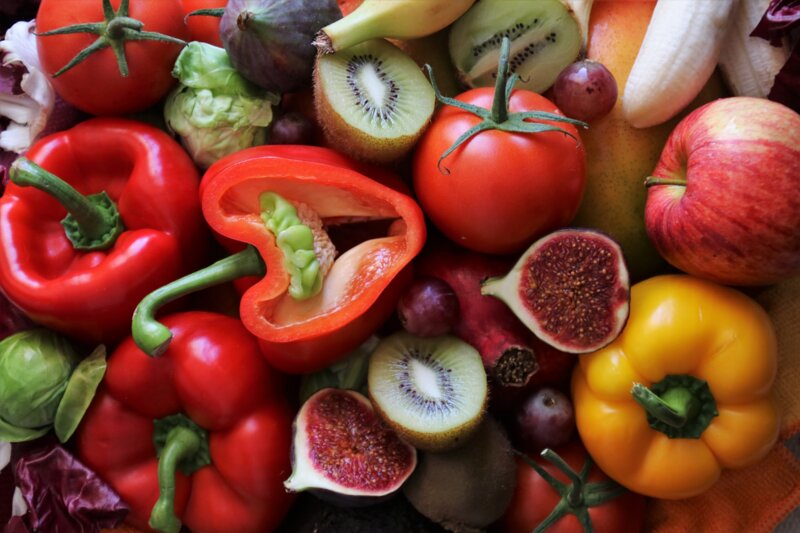
The best way to meet your vitamin C needs is to regularly include a variety of fruits and vegetables in your diet. Good sources of vitamin C, along with their approximate vitamin C content, are listed below.
- 1 medium guava = 126 mg
- 1 medium red pepper = 152 mg
- 1 medium orange = 70 mg
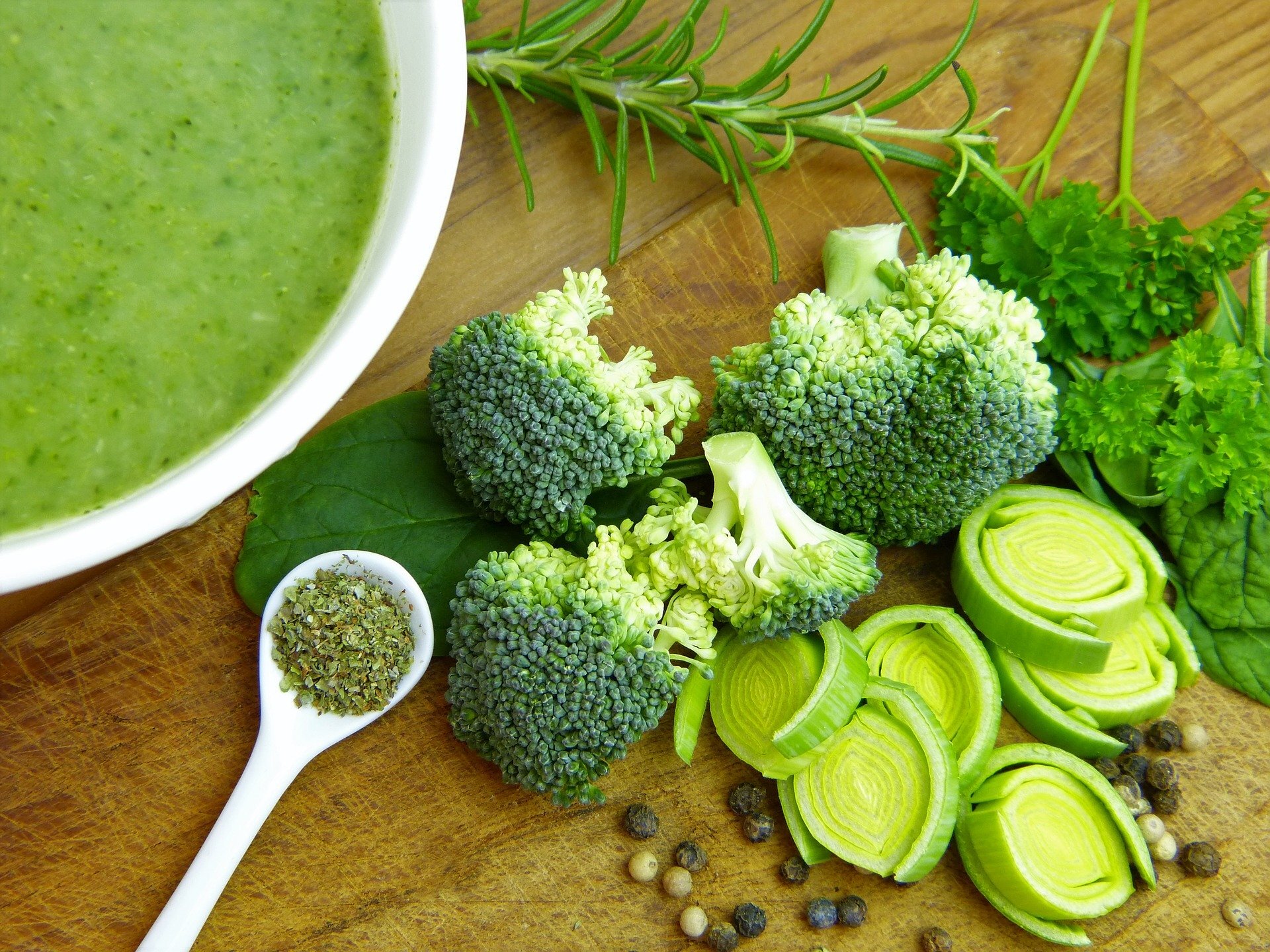
- 1 cup raw broccoli = 40 mg
- 1 small lemon = 30 mg
- 1 small papaya = 95 mg
- 1 cup raw Brussels sprouts = 75 mg
- 1 cup raw strawberries = 60 mg
- 1 kiwi = 64 mg
- ¾ cup diced pineapple = 48 mg
- 1 cup frozen cauliflower = 21 mg
- 1 large tomato = 25 mg
Should You Take Vitamin C as a Supplement?
If you want to increase your daily vitamin C intake, you can either eat very large amounts of vitamin C-rich foods, such as oranges, guava and red peppers, or consider a supplement. And while getting nutrients from food is almost always best, there are some compelling studies supporting the idea that a vitamin C supplement can be beneficial for some people.
Vitamin C supplementation has been found to reduce the severity and shorten the recovery time from illnesses, including viral infections such as colds and flu. It may support your body's natural defences and help fight inflammation. There is also some evidence from animal studies and human case reports that high-dose vitamin C may reduce lung inflammation in severe respiratory illness.
Vitamin C and COVID-19
What about COVID-19? Some scientists believe that vitamin C supplementation may help calm the cytokine storms that often accompany this disease. Cytokines are proteins released by cells that amplify your immune response. In some people, an overactive immune system releases so many cytokines that the lungs become inflamed. Severe lung inflammation from COVID-19 can lead to respiratory distress and even death.
Research is currently under way in China, as numerous studies aim to determine whether high doses of vitamin C can shorten COVID-19 recovery time. So far, researchers have noted that it may reduce the need for intensive care and shorten recovery time. Based on early findings, the Shanghai Medical Association approved the use of high-dose vitamin C as a treatment for hospitalised COVID-19 patients. However, more research is needed to know with certainty whether, and how much, vitamin C helps.
Vitamin C is a well-known antioxidant, found in some of the healthiest foods on the planet, and appears to be good for immune health too. Eating vitamin C-rich fruits and vegetables in normal amounts has no apparent downside. And taking vitamin C supplements may offer some positive benefits for the body and overall health.
Whether extra vitamin C is helpful or not in preventing or treating COVID-19 remains an open question. But regardless of whether there's a pandemic or not, a daily dose of vitamin C will make you healthier and help protect you from illness.



