Collagen is the most abundant protein in the human body. It builds the skin, joints, tendons, cartilage, bones, and blood vessels, giving them their structure and strength. As we get older, the body's natural collagen synthesis gradually begins to decline – a process that actually starts as early as the mid-20s.
The good news? The way you eat can support your body's natural collagen production. Some foods contain collagen itself, while others provide the valuable nutrients the body uses to synthesize it.
In this article, we'll look at:
- which are the best collagen-rich superfoods
- which nutrients are key to its formation
- how you can easily include them in your daily routine

Take a step toward your health with RealFood
Browse our full collection of products that support your balanced everyday life.
View all products →✓ Clean formulas ✓ Minimal ingredients ✓ Premium supplements
What Does "Collagen-Rich Foods" Actually Mean?
It's important to make one clarification.
Not all foods contain ready-made collagen. Plant-based foods, for example, don't contain collagen, but they can be extremely valuable because they provide vitamin C, zinc, copper and amino acids – the nutrients the body needs for natural collagen synthesis.
That's why the best approach is a combination of:
- foods that naturally contain collagen
- foods that support its formation
- a quality intake of hydrolyzed collagen as part of a balanced lifestyle
Top Collagen-Rich Superfoods
Bone Broth
Bone broth is one of the most popular foods associated with collagen intake. During long simmering, collagen from the bones and connective tissue is released into the broth in the form of gelatin.
It also contains amino acids such as glycine and proline, which are part of collagen's structure.
It's important to know that the collagen content of homemade bone broth can vary significantly depending on the preparation method, the bones used, and the cooking time. That's why it can't always guarantee the same amount of collagen.
Fish (Especially with the Skin)
Fish, especially when eaten with the skin, is a natural source of collagen. Marine sources are preferred by many people because collagen is concentrated precisely in the skin and connective tissue.
Fish also provides high-quality protein and omega-3 fatty acids – an important part of a varied and balanced diet.
Chicken
Chicken, especially cuts with more connective tissue like thighs, wings and skin, contains natural collagen.
It's no coincidence that a large share of collagen supplements are sourced precisely from chicken or bovine collagen.
Gelatin
Gelatin is essentially denatured collagen and can be used in various homemade desserts, jellies, or recipes.
It contains amino acids similar to those in collagen and is often used as a dietary source of this protein.
Superfoods That Support Natural Collagen Synthesis
This is where the real secret lies.
Even if you take collagen, your body also needs certain vitamins and minerals to form it effectively.
Citrus Fruits
Oranges, lemons, grapefruit and tangerines are excellent sources of vitamin C.
This vitamin is directly involved in collagen synthesis and is among the most important nutrients for this process.
RealFood Collagen Complex contains natural vitamin C from acerola, which supports natural collagen synthesis.


Berries
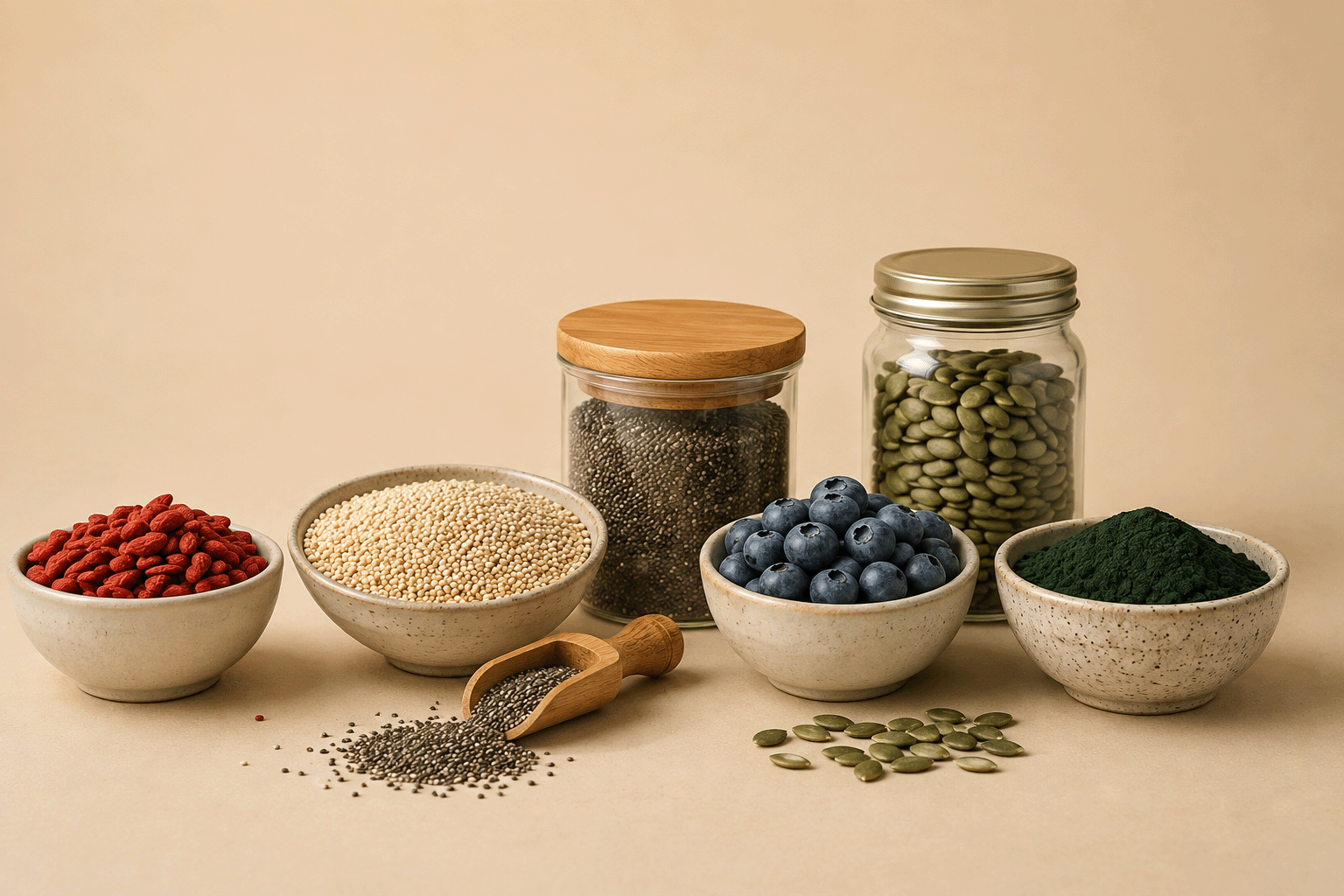
Strawberries, blueberries, raspberries and blackberries provide vitamin C and a variety of antioxidants.
They're a great choice both for breakfast and as an addition to yogurt, oats, or smoothies.
Red Bell Peppers
Few people know that red bell peppers contain even more vitamin C than many citrus fruits.
They're among the best vegetables for supporting natural collagen synthesis.
Tomatoes
Tomatoes provide vitamin C and lycopene – an antioxidant that's a natural part of a varied diet.
Add them to salads, sandwiches, or home-cooked meals.
Leafy Greens
Spinach, kale, arugula and other green leafy vegetables are rich in vitamins, minerals and antioxidants.
They contribute to a well-rounded diet and provide nutrients necessary for collagen synthesis.
Nuts and Seeds
Cashews, pumpkin seeds, sesame seeds and sunflower seeds contain zinc and copper – minerals involved in the processes of collagen formation.
Habits That Support Collagen Levels
Besides diet, daily habits matter too.
It's helpful to:
- get enough protein
- regularly eat foods rich in vitamin C
- vary your menu
- limit excessive sugar consumption and highly processed foods, as they can negatively affect collagen structures
When Is Food Not Enough?
Even with a varied diet, it's hard to get the same amount of natural collagen every single day.
That's exactly why many people choose hydrolyzed collagen – a form that's easy to take daily and provides a standardized amount of collagen in every dose.
At RealFood, we believe quality is what makes the difference.
Our Hydrolyzed Collagen RealFood is:
- flavorless and odorless
- without sweeteners
- made from pasture-raised calves
- suitable for adding to coffee, water, smoothies or your favorite drink
And if you're looking for a complex formula, RealFood Collagen Complex combines hydrolyzed collagen with vitamin C, hyaluronic acid and zinc – nutrients involved in natural collagen synthesis.
What to Remember From This Article
There's no single "magic" superfood that on its own provides everything you need.
The best approach is a combination of varied nutrition rich in quality sources of protein, fruits, vegetables, and healthy fats, paired with consistent daily habits.
And when you want a reliable and convenient way to include collagen in your daily routine, quality hydrolyzed collagen can be a practical addition to a balanced lifestyle.