









Post Contents [hide]
What Exactly Is Cod Liver Oil?
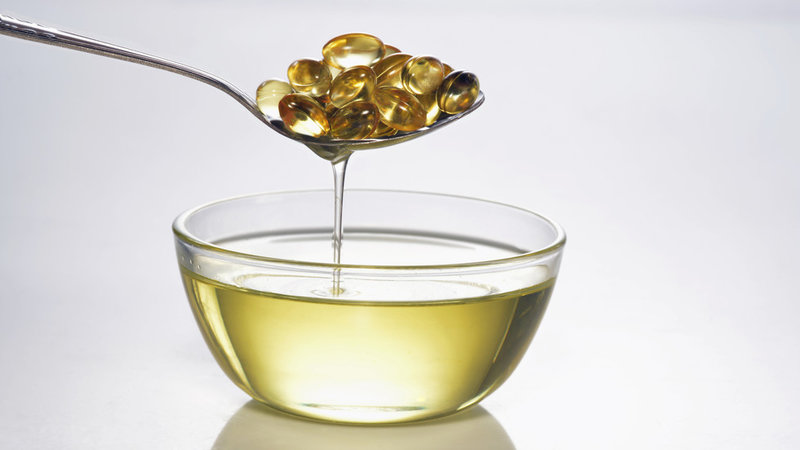
Cod liver oil is a nutritional source of important vitamins, including vitamin D and vitamin A, as well as anti-inflammatory omega-3 fatty acids. Given that most people don't get enough anti-inflammatory foods that provide vitamin D and omega-3, which play a decisive role in cardiovascular, hormonal, immune, reproductive and neurological health, many adults and children can benefit from adding them regularly through cod liver oil.
Each teaspoon of cod liver oil contains about 41 calories and 4.5 grams of fat according to the USDA (the American agriculture agency), split between monounsaturated, saturated and polyunsaturated fatty acids.
The most beneficial aspect of taking cod liver oil is that it contains high levels of omega-3 fatty acids, which are found in oily fish or seafood such as salmon, mackerel and sardines. It's also among the few best foods rich in vitamin D.
Omega-3 and vitamin D are known for reducing inflammation, preventing blood clotting, preserving brain health and preventing depression. They can even bring about a noticeable reduction in pain and swelling caused by inflammatory conditions such as arthritis.
Dozens of studies link cod liver oil to the following benefits:
- lowering high cholesterol and high triglycerides;
- preventing and treating diabetes;
- lowering high blood pressure;
- preventing heart disease;
- reducing the risk of osteoarthritis;
- treating depression;
- reducing the risk of autoimmune diseases;
- fighting eye diseases such as glaucoma and protecting vision;
- treating ear infections, allergies and asthma;
- preventing and treating kidney disease;
- helping heal skin wounds;
- keeping bones healthy and preventing fractures or osteoporosis.
How Should You Consume Fish Oil?
If you don't like the taste, you can mix the oil with a little juice, lemon water, smoothie, applesauce, yogurt, almond butter, or anything else that helps mask its slightly fishy taste. To avoid a lingering fishy aftertaste, we recommend eating something after taking the oil - for example, a spoonful of honey (editor's note: a customer's suggestion). No reputable brand will add flavor enhancers or remove the smell or taste, so be prepared! Some brands might add a natural flavor extract (such as mint or lemon) to improve the taste, which is also possible. Store the bottle of cod liver oil in a cool, dark place in the refrigerator to protect it from spoiling or going rancid.
Does It Carry Any Risks or Side Effects?
When it comes to cod liver oil, as with any type of fish oil or omega-3 supplement, it all comes down to the need for balance. Omega-3 and omega-6 fatty acids should be in a balanced ratio, with slightly more omega-6 fat in the diet than omega-3, which is considered ideal. It isn't beneficial or wise to take high amounts of cod liver oil, because more isn't always better; this is the healthy ratio we follow!
Omega-6 fatty acids aren't inherently bad for you and play an important role in the functioning of the immune system, so too much cod liver oil can actually cause harm. That's because omega-3 fatty acids suppress inflammation, while omega-6 fatty acids stimulate it, but we need both. This delicate relationship keeps your immune system working properly, so that when needed you can build “defense mechanisms” against threats (toxins, bacteria, pathogens), but without overdoing it.
As a rule, the best way to achieve balance is to get your omega-3 from food sources, such as wild-caught fish, meat from grass-fed or pasture-raised animals, or eggs from free-range chickens. Nuts and seeds are also a good choice, but they provide a different type of omega-3 known as ALA, while animal sources provide the preferred types, called EPA and DHA.
If you eat wild-caught fish several times a week and follow a diet high in animal fats from pasture-raised animals and plant-based omega-3 foods, then taking an omega-3 supplement may not be absolutely necessary. However, the average person can genuinely benefit from the supplement while eating well too.
Cod liver oil can act as a blood thinner, so pregnant women, asthmatics and people taking medication for high blood pressure or anticoagulants should consult their doctor before starting to take fish oil. Although it's safe for most people, there are some possible unwanted side effects, such as burping, bad breath, heartburn, nausea, blood in the stool, low blood pressure, high levels of vitamin A and D, and nosebleeds.
Source: https://draxe.com/cod-liver-oil/


