









Post Contents [hide]
FISH OIL PRODUCTION
A fantastic tale: The industrial production of oil from the liver of cod
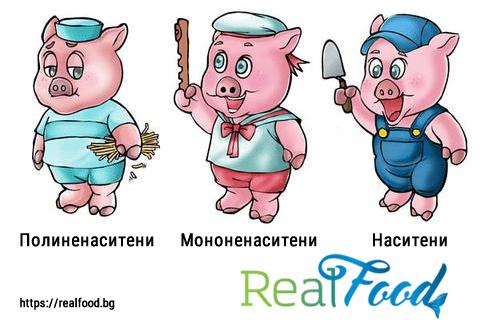
We want to tell you the story of the three little pigs from a different angle, to illustrate how the body uses and stores each type of fat. Fatty acids are classified as saturated, monounsaturated, or polyunsaturated. Each little pig starts building its own house. The first little pig builds a house of straw, the second little pig – a house of sticks, and the third little pig – a house of bricks.
Saturated fats like coconut oil, palm oil, lard, tallow and duck fat are the house made of bricks. They're very stable, because all the carbon-atom bonds are full, or “saturated,” with hydrogen. Saturated fats are excellent for cooking and frying, because they stay stable when exposed to high heat. The heavy-duty “brick walls” of saturated fats are the most resistant to breaking down from heat, light, moisture and oxygen.
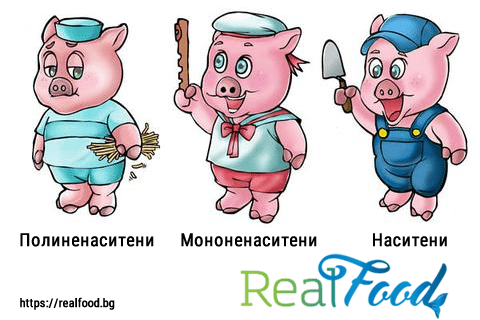
Monounsaturated fats are the house of sticks. Usually coming from seeds or nuts, these fats are liquid at room temperature. Monounsaturated fats have a single double bond in the form of two carbon atoms, and therefore they're missing two hydrogen atoms. While some monounsaturated fats can be used for cooking, their “smoke point” (the temperature at which the oil starts to smoke) isn't as high as that of saturated fats. Olive oil, peanut oil and macadamia oil are examples of monounsaturated fats. They're best used for cooking at lower temperatures, sautéing, and for salad dressings. Store these oils in a cool, dark place to extend their freshness.
Polyunsaturated fats have two or more pairs of double bonds and therefore are missing four or more hydrogen atoms. The unpaired electrons at the double bonds make these oils unstable and highly reactive. They are, of course, the house of straw. Found in abundance in nuts, seeds and vegetables, as well as in fish oils, polyunsaturated oils have a low smoke point. They're best used as salad oils or dietary supplements. The most sought-after omega-3 fatty acids are polyunsaturated fats. In plant oils such as flaxseed oil, walnut oil, poppyseed oil and sunflower oil, omega-3 fatty acids appear in the form of alpha-linolenic acid (ALA). In oils such as fish oil and cod liver oil, they appear in the form of eicosapentaenoic acid (EPA) and docosahexaenoic acid (DHA). Omega-3 fatty acids are fragile and oxidize (go rancid) quickly. Fresh, unprocessed polyunsaturated fats should be stored in the refrigerator and as far away as possible from light, oxygen, moisture and metal. They should also be consumed within a relatively short period of time, before the big bad wolf comes knocking.
A WOLF IN SHEEP'S CLOTHING
 What's not widely known to the general public is that, in most cases, cod liver oil goes through a series of processing stages involving high temperature, high pressure, vacuum, solvents, moisture and chemicals. The fragile omega-3 fatty acids are sometimes heated to such a high temperature that trans fats form and remain in the oil in these cases. Heavy metals and other contaminants, as well as toxins created by improper handling, long-term storage and exposure to heat and oxygen, are supposed to be “cleaned” out of the oil before bottling. These refining steps are designed to create an easy-to-pour, shelf-stable cod liver oil. The processing steps themselves, however, create additional harmful substances, which require even more heat and solvents. Every step further weakens the integrity and nutritional value of the oil. Big bad wolves (and even good wolves) use their strong sense of smell to hunt for their prey. The human sense of smell isn't as sensitive as a wolf's, but we use our sense of smell and taste as an instinct that protects us from eating rotten and spoiled food, and even food that has gone rancid. Smell and taste give the signal to reject rancid food before it's swallowed, or even before it enters the mouth. Industrial processing of cod liver oil (much like the processing of vegetable oils) removes the taste and smell of spoilage, tricking our senses into believing the oil is fresh and nutritious. Putting fish oil into capsules or adding flavorings further masks the unwanted smells and tastes.
Industrial cod liver oil is produced through the following processes: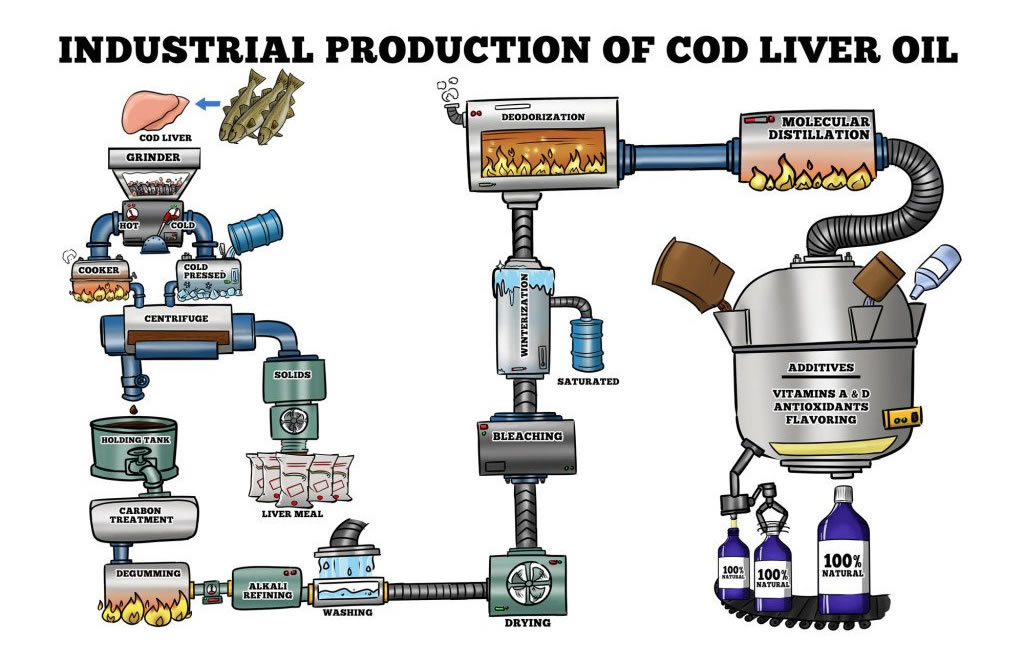 1. Catching the fish.
Depending on the manufacturer, commercial cod liver oil may be extracted from genuine wild cod, or from pollock or haddock (sourced from Alaska and/or Russia), or from other fish species, whether wild-caught or farm-raised. International cod liver oil production is regulated by only one rule – the final product must match the specific EPA/DHA ratio established in crude cod liver oil. Cod liver oil contains about 9% EPA and 14% DHA, while fish oil typically contains about 18% EPA and 12% DHA. Cheaper oils are often added to achieve the correct EPA/DHA ratio. The “oil,” regardless of its country of origin, is then bottled and sold as genuine Norwegian or Arctic cod liver oil.
2. Extraction of the oil from the liver of cod.
Wild cod is caught by large trawlers that spend weeks at sea. In the best-case scenario, the fish is gutted at sea and the livers are collected in containers and transported to the relevant processing plant. In the worst-case scenario, the livers are collected and stored on board the ship for long periods of time, where they undergo excessive oxidation. Upon arrival at the processing plant, the liver is ground and then either heated for a period of time or mechanically cold-pressed to extract the oil from the liver. The remaining liver mass is then heated and passed through a decanter to remove solids, before being centrifuged to separate the oil, water and sediment from the liver. At this stage, the crude oil intended for human consumption is further processed, while the leftovers are dried to produce liver meal, which is sold as fish and animal feed. Most of the cod liver meal is shipped to Southeast Asia for shrimp feed production. The notion that cold-pressed cod liver oil is somehow raw or lightly processed compared to heat-processed oil is a marketing gimmick. Cold pressing refers to the extraction of the oil from the liver. Once the extract is obtained, the oil is subjected to high heat during refining (212°F), deodorized (374°F or higher), and passed through stages of molecular distillation (392°F).
3. Carbon treatment.
Carbon treatments are used on the initially crude oil to remove dioxins, furans and polycyclic aromatic hydrocarbons (PAHs), which are toxic. The European Union recommends reducing dioxins, furans and PCBs in feed and food. It sets action levels for certain food sources, including farmed fish, to encourage member states to proactively reduce dioxin levels. When these contaminants are found in wild fish, the cause is environmental pollution rather than a point source; therefore, no action levels have been set for wild-caught fish. Overall, carbon treatment is necessary for farmed fish and fish caught near industrial areas.
4. Degumming.
The crude oil is hydrated, heated to 100°C (212°F) and treated with phosphoric acid to separate out phospholipids, gums, proteins, minerals and other materials naturally present in cod liver oil. The main reason for removing phospholipids is that some of these compounds, particularly the calcium and magnesium salts of phosphatidic and lysophosphatidic acids, are strong emulsifiers. If these compounds remain in the oil during the alkaline refining/neutralization stage, they can inhibit the separation of soaps. Phospholipids (also called phosphatides) react with water to form insoluble sediments.
5. Alkaline refining or neutralization.
Due to the length of time involved in catching the fish and its time sitting in the holds, the oil's triglycerides break down through the hydrolytic rancidification of free fatty acids, creating a rancid smell/taste, and the oil starts to turn brown. Alkaline refining of the oil is necessary to remove free fatty acids, pigments, phospholipids and water-soluble materials. This process creates soaps, which must be removed by washing with water or steam, followed by centrifugation.
6. Water washing.
Water washing and treatment with silicon dioxide remove the soaps created by the alkaline treatment, oxidation products and other trace metals.
7. Drying.
Drying removes the moisture from the water wash. Moisture, heat, oxygen, light and reactive metals further contribute to the oil going rancid.
8. Bleaching.
The main purpose of bleaching is to bring the oil back to an acceptable pale color, using clays treated with mineral acids. Depending on how long the oil has been sitting, up to 2% bleaching earth may be used. Acid-activated bleaching earth also cleans up the hydroperoxides in the oil formed during the previous steps.
9. Winterization.
Winterization concentrates the omega fatty acids. It's an addition achieved through removal. The oil is chilled to a temperature below zero, which causes crystallization and reduces the amount of saturated fatty acids. Triglycerides and waxes are also removed. Removing the saturated fats and triglycerides further destabilizes the oil, since the remaining polyunsaturated fats, in the form of omega-3 fatty acids, are very fragile and oxidize easily. The human body doesn't require concentrated levels of essential fatty acids, especially in isolated form. Denaturing the oil creates an imbalance that seriously weakens its effectiveness
10. Deodorization.
To remove additional free fatty acids, mono- and diglycerides, hydroperoxides, aldehydes, ketones, chlorinated hydrocarbons, volatile compounds (rancid fishy smells and tastes) and pigments formed during the previous processing steps, deodorization is necessary. During this process, the oil may be heated to 190°C (374°F) or higher, as live steam passes through the oil under low pressure. This step can lead to the formation of trans fats (trans isomers) of EPA and DHA. A study of fish oil capsules on the European market found that all the products tested had trans-fat levels. Trans fats were found in up to 4.5% of total EPA and up to 5.9% of DHA. This step also damages or destroys most of the vitamin A and vitamin D naturally found in cod liver oil
11. Molecular distillation.
Molecular distillation removes most of the remaining pesticides and organic pollutants, including dioxins, lindane, DDT, as well as brominated compounds (flame retardants), and reduces all such environmental contaminants to lower levels. Temperatures can reach 200°C (392°F). This step is sometimes used as a substitute for deodorization. Molecular distillation is also responsible for the huge loss of vitamins A and D naturally found in cod liver oil, and for creating trans fats due to the high temperature
12. Synthetic vitamins.
Almost the entire amount of natural vitamin A (retinol) and vitamin D3 (cholecalciferol) is removed during the industrial processing of cod liver oil. At this stage, most cod liver oil manufacturers add vitamin A from a synthetic source, retinyl palmitate. Synthetic vitamin D3, derived from lanolin in sheep's wool as a source of cholesterol, is purified to form 7-dehydrocholesterol, irradiated to form D3, and added to the heavily processed liver oil. Sheep's wool isn't a natural component of cod liver oil. Synthetics may also contain additives, dyes, fillers, byproducts and other chemicals that aren't found in natural versions and are produced using harsh chemical reagents. Many animal studies have shown differences in the absorption of synthetic versus natural vitamins. Synthetic vitamins don't perform the same functions in the body as vitamins that occur naturally in unprocessed foods, which are highly complex and work together with other nutrients to produce their specific biological effects. Many synthetic vitamins deprive the body of other nutrients, and the kidneys have to work harder to excrete them through urine.
13. Antioxidants.
Once the oil has cooled, antioxidants are always added to the processed fish oil intended for human consumption, to protect the oil from further oxidation. “Natural” forms of antioxidants are used, such as ascorbic acid, isolated vitamin E tocopherol from soy, citric acid from GMO corn, and spice extracts. The most common synthetic antioxidants are BHA (butylated hydroxyanisole), BHT (butylated hydroxytoluene), TBHQ (tertiary butylhydroquinone) and propyl gallate.
14. Flavorings.
To mask the rancid fishy taste, most commercial cod liver oil manufacturers add flavorings such as “natural lemon flavor” to their products. While the flavor can naturally be derived from lemon peel, the actual contents are proprietary to the flavor manufacturing companies, which aren't required to disclose their processes or ingredients (only to certify that the flavoring is free of the eight major allergens). Flavorings aren't organic, and some customers may react to the flavoring due to its citrus content. Other manufacturers use synthetic citrus flavors and fruit flavors derived from blends of their own proprietary chemicals.
Fresh cod liver oil ers now available
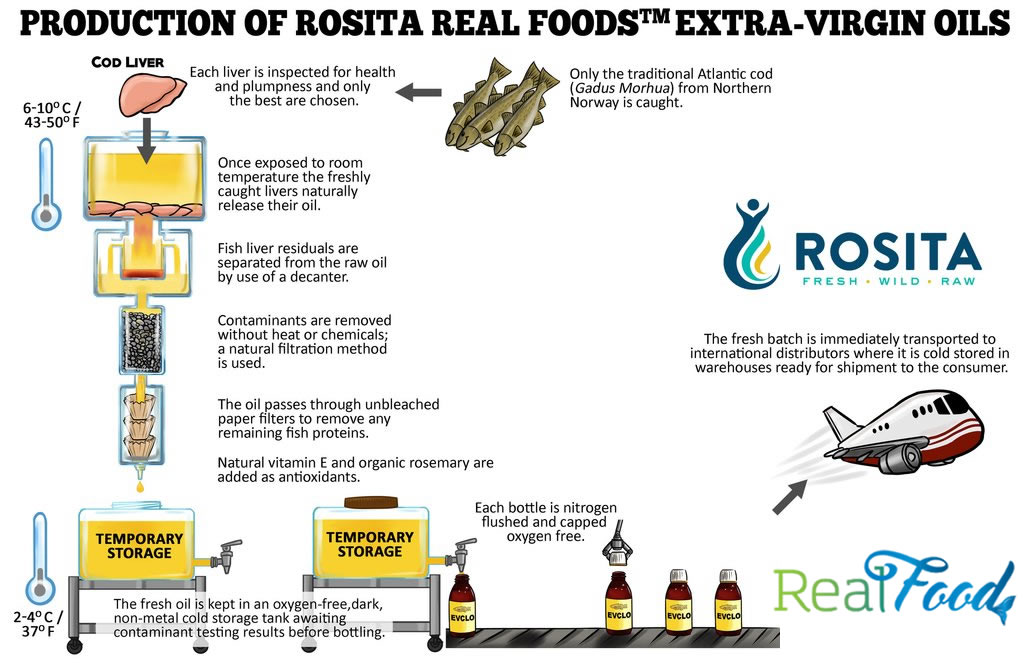
Manufacturers of refined/industrial cod liver oil want us to believe that the processes described above improve the nutritional value and purity of the oil. The truth is that these processes are destructive to it. Cod liver oil is recommended and taken for the favorable levels of vitamin A, vitamin D3 and omega-3 fatty acids naturally found in wild cod. As noted above, the refining process seriously damages these nutrients. Adding synthetic vitamins to cod liver oil creates a product that's essentially no better than taking synthetic vitamin pills that don't include the fishy aftertaste. Most of the fragile omega-3s break down into free fatty acids and are removed, along with a percentage of the remaining trans fats containing EPA and DHA. While these processes may be profitable for cod liver oil manufacturers and relatively cheap for consumers, the end result is a sterile oil with little to no therapeutic effect, one that's likely to add oxidative stress to the body.
Click here to learn more about the production of Rosita Extra-Virgin cod liver oil


