









Post Contents [hide]
Health begins with nutrition. If we eat clean foods rich in vitamins and antioxidants, we can more easily cope with the inflammation caused by so-called oxidative stress. This is a process in which the levels of free radicals in the body rise above normal. As a result, besides inflammation affecting our organs, skin, bones and joints, our cells and immune system are damaged. Collagen in our body becomes depleted.
That is why doctors, as well as so-called folk medicine, emphasize the importance of certain foods containing vitamin C, E, selenium, and beta-carotene, because besides regulating the levels of free radicals in the body, they also support the absorption of collagen. Collagen, as we have already written, plays an important role in recovery from antibiotic treatment of various bacterial diseases. Collagen contains glycine, which supports metabolism, breaks down fatty acids, and takes care of the gut tract. This amino acid reduces inflammation because it fuels the production of serotonin, which also leads to more melatonin, which in turn calms the gastrointestinal tract.
That is why it is recommended that for at least 1 month after taking antibiotics, we eat more anti-inflammatory foods.
Here are a few of them
Cabbage – traditional leafy cabbage, kale, bok choy, contains sulfur and has an antimicrobial effect. Chinese cabbage contains more than 70 antioxidants, says Dr. Josh Axe in his book „The Collagen Diet“.
That is why different types of cabbage are recommended in the diet of people fighting bacterial infections. One cup of cabbage juice can provide you with 75% of your daily need for vitamin C.
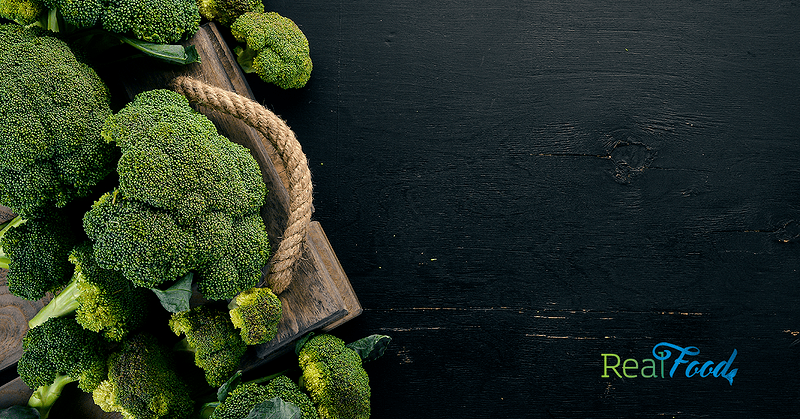
With more broccoli and Brussels sprouts on the menu, we help raise the levels of glutathione – a substance considered to be the most powerful antioxidant in our body. Cruciferous vegetables also help the body produce sulforaphane - - a substance that reduces the levels of oxidative stress in cells.
Extra virgin coconut oil contains antioxidants that strengthen the immune system. It is rich in medium-chain fatty acids. It contains lauric acid, which kills harmful pathogens such as bacteria, viruses and fungi, such as the bacterium Staphylococcus aureus, which causes staph infections, and the yeast Candida albicans. The oil helps the body better absorb nutrients, helps balance iodine levels in thyroid problems, helps lower cholesterol, and helps regulate blood sugar. It can be used both internally and externally. It is recommended for cooking.
Fermented foods are known for their beneficial effect on the body, and now is their season, right?
Fermentation in a solution of salt and water, without other additives and without exposure to heat treatment, occurs thanks to the beneficial lactobacillus bacteria, which feed on sugar and produce lactic acid as a byproduct. The natural sugars in the food are converted into powerful probiotics.
From cabbage to the pickles we know, as well as Asian pickles, these delicacies are rich in enzymes, vitamins, Omega-3 fatty acids and probiotics. They improve the gut flora and digestion, and support the immune system. They have antibacterial effects.
These foods support the good bacteria in the body. If bad bacteria predominate in the gut, the intestinal lining becomes more permeable, and more insufficiently digested protein molecules and pathogens pass into the blood. This activates the immune system and chronic inflammation appears.
Dark chocolate and cocoa – tasty and beneficial! Moderate consumption of dark chocolate and unsweetened cocoa is suitable during recovery from inflammation. They contain polyphenols and flavonoids that fight free radicals. An interesting fact is that chocolate contains more of them than tea, goji berries, or blueberries. If chocolate contains over 70% cocoa, it is also richer in antioxidants, zinc and manganese. Cocoa, in turn, is a superfood rich in sulfur and magnesium. In short, treat yourself for the sake of your health!



