In this article we take a closer look at one of the most powerful herbs in nature – turmeric. Known as the “golden spice,” it has been used for centuries both in cooking and in traditional medicine. In this blog post we’ll explore its unique properties and discover how curcumin – the active compound in turmeric – can support health, vitality and a good mood.
What Is Curcumin?
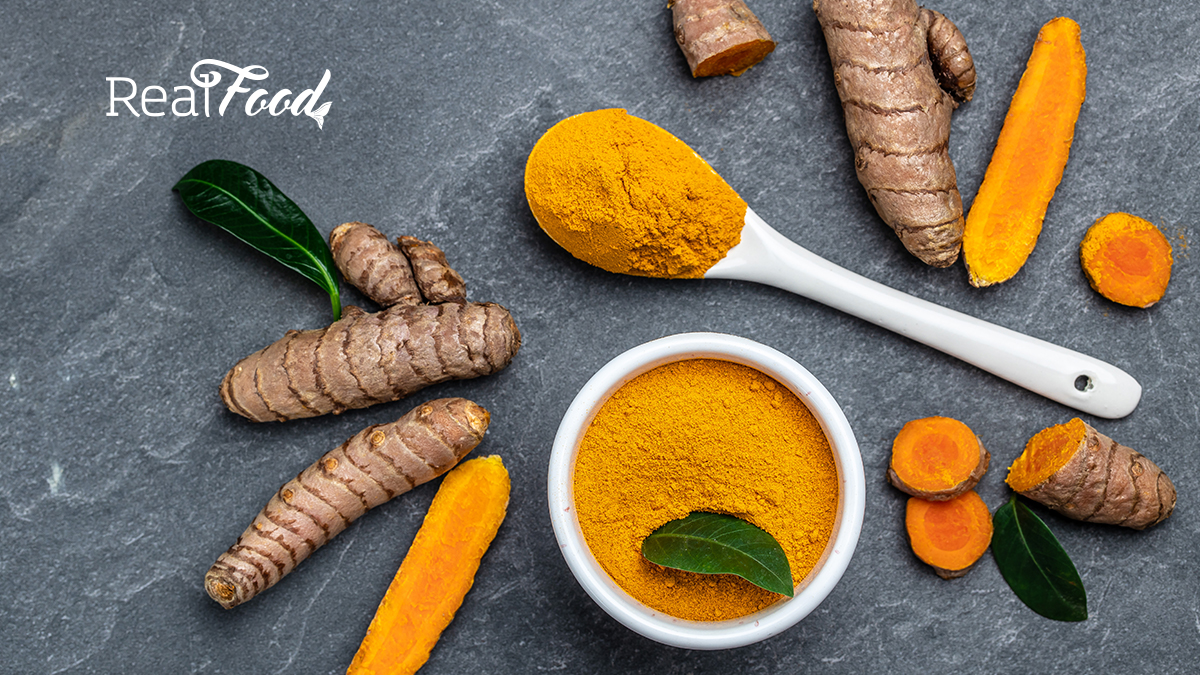
Curcumin is a polyphenolic compound extracted from the rhizome of Curcuma longa – the turmeric plant you know, which gives it its characteristic yellow colour and earthy taste. For centuries, turmeric has been used as a powerful medicinal herb in Ayurveda and Traditional Chinese Medicine. It contains various polysaccharides and phytochemicals, including turmerones and a group of yellow pigments – curcuminoids. The best-studied of these is curcumin itself.
Research shows that curcumin offers a range of benefits: anti-inflammatory, antioxidant, antimicrobial, immunomodulatory, neuroprotective, metabolism-regulating and even antidepressant properties.
This makes it a promising therapeutic agent for conditions such as arthritis, cognitive decline, cardiovascular disease, metabolic syndrome and digestive problems.
What Are the Benefits of Curcumin?
Curcumin may:
- regulate inflammation and reduce inflammatory cytokines
- improve antioxidant activity
- support brain plasticity and protect the nervous system
- maintain healthy neurotransmission
- influence gut health by reducing inflammation and intestinal permeability
- improve mitochondrial activity
- regulate the immune system
- balance stress-related hormones (the HPA axis)
- support insulin and leptin balance
Anti-Inflammatory Action
Inflammation is the body’s natural defensive response to injury, infection or toxins. But chronic inflammation is a contributing factor in many diseases – arthritis, cardiovascular disease, type 2 diabetes, dementia.
Curcumin reduces inflammation through several mechanisms, including suppressing signalling pathways (such as NF-kB) and lowering the production of inflammatory cytokines. This makes it valuable as part of a therapeutic strategy for conditions linked to chronic inflammation.
Antioxidant Activity
Oxidative stress occurs when there is an imbalance between free radicals and antioxidant defences. Free radicals can damage cells, proteins and DNA, leading to premature ageing and disease.
Curcumin acts as a powerful antioxidant, neutralising free radicals and stimulating the body’s own antioxidant enzymes (such as superoxide dismutase and catalase). This helps protect cells and tissues from damage.
Cognitive Function
With age, cognitive impairments often appear – memory loss, concentration problems, even neurodegenerative diseases such as Alzheimer’s. Inflammation, oxidative stress and the build-up of beta-amyloid protein are among the key factors.
Curcumin shows promising results in protecting the brain:
- It reduces inflammation and oxidative stress in nerve tissue.
- It boosts brain plasticity and increases levels of BDNF (a factor that supports the growth and survival of neurons).
- It may reduce the build-up of amyloid plaques.
This makes curcumin an interesting nutrient for the prevention of cognitive decline and dementia.
Effect on Depression
Chronic inflammation and oxidative stress are also linked to depressive states. Research shows that curcumin may help relieve symptoms of depression by:
Reducing inflammatory markers.
- Boosting serotonin and dopamine – the main “happiness hormones.”
- Supporting brain plasticity.
In clinical studies, curcumin has shown effects comparable to some antidepressants, but without their characteristic side effects.
Supports Gut Health
Gut health is key to the immune system, hormonal balance and even mental health. Excessive inflammation and increased intestinal permeability can lead to various chronic problems.
Curcumin supports the gut barrier, reduces inflammation and balances the gut microbiota. This makes it useful for conditions such as irritable bowel syndrome (IBS) or inflammatory bowel disease.
Improves Metabolic Health
Metabolic syndrome involves a combination of factors such as insulin resistance, excess weight, high blood pressure and high cholesterol. Curcumin may help through:
- Improving insulin sensitivity.
- Regulating leptin and adiponectin – hormones that influence appetite and metabolism.
- Reducing inflammation in fat tissue.
Effect on the Immune System
The immune system is a complex network of cells and molecules that protect the body from infection. An imbalance can lead to chronic inflammation, autoimmune disease or weakened defence against pathogens.
Curcumin regulates the immune response by:
- reducing excessive immune cell activity in inflammatory and autoimmune conditions
- stimulating the activity of natural defence cells against viruses and bacteria
- balancing the production of cytokines (molecules that coordinate immune responses)
This makes it useful both for people with chronic inflammation and for those seeking natural immune support.
Supports Hormonal Balance
Chronic stress and inflammation affect the hypothalamic-pituitary-adrenal (HPA) axis, which regulates stress hormones, including cortisol.
Curcumin helps balance this system by:
- regulating cortisol levels
- supporting adaptation to stress
- having the potential to ease conditions linked to hormonal imbalance (such as premenstrual syndrome or menopause)
How to Improve Curcumin Absorption?
One of the challenges with curcumin is its low bioavailability – it breaks down quickly and is poorly absorbed. That’s why it’s best taken in formulations that improve absorption, for example:
- combined with black pepper (piperine), which increases absorption;
- in liposomal forms or formulations with special carriers;
- together with a source of fat, since curcumin is fat-soluble.
Key Takeaways
Curcumin is one of the best-studied natural compounds, with a wide range of health benefits – from reducing inflammation and oxidative stress to supporting the brain, the immune system and metabolism.
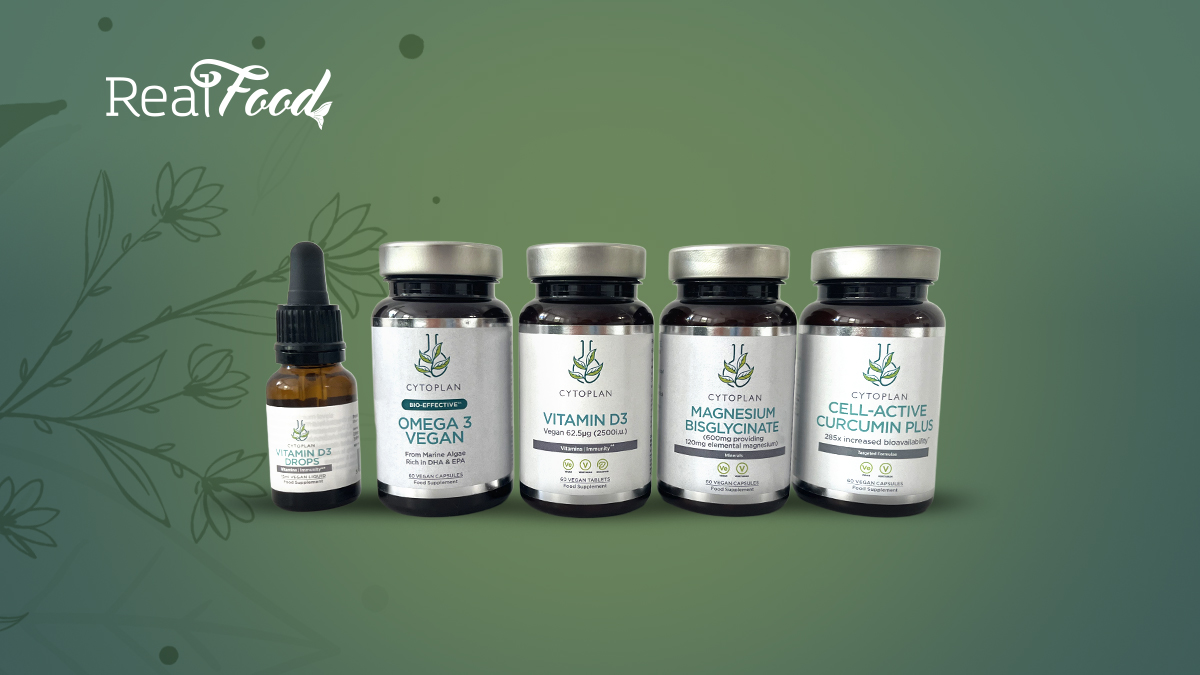
Curcumin is not a magic cure. But it can be a wonderful addition to your health routine – especially in forms with better bioavailability, such as Longvida Optimised Curcumin (available in Cytoplan Cellular Active Curcumin Plus). And combined with other nutrients, its effect can be even stronger.