









Post Contents [hide]
- What is collagen and why is it important for our skin?
- Causes of collagen loss in the skin and its consequences
- The consequences of collagen loss in the skin are visible and may include:
- How collagen comes into play - benefits and ways of use
- Collagen can be taken in various ways. The most popular are:
- How to choose quality collagen and carefully research the market
- How to include collagen in your daily skin care routine
- Other benefits of collagen for body health
Do you want to learn how to improve your health and appearance? One of the hottest trends in the cosmetics industry is collagen - a protein that plays an important role in the beauty and youthfulness of your skin. In this article you will learn everything about collagen and how to include it in your daily skin care routine. Are you ready to unlock the secret to healthy, youthful skin?
What is collagen and why is it important for our skin?
Collagen is a key structural protein found in the skin, bones, tendons, and connective tissue in our body. In the context of the skin, collagen plays an extremely important role in its firmness, elasticity, and youthful appearance.

Over time, however, the body's collagen production decreases as a result of the natural aging process, environmental influences, and poor eating habits. This leads to the appearance of wrinkles, loss of elasticity, and dryness of the skin.
That's why it's extremely important to maintain the collagen levels in our skin. Taking collagen as a dietary supplement can help significantly in this regard. Collagen taken orally is broken down in the body and used to restore and maintain collagen levels in the skin.
What does collagen do for our skin? First, it helps preserve the skin's hydration by retaining moisture and protecting it from drying out. Second, collagen improves the skin's elasticity, making it firmer and helping to reduce the appearance of wrinkles and fine lines. Third, collagen supports the repair of damaged skin and stimulates the production of new cells, resulting in more radiant, youthful skin.
By caring for the collagen levels in our skin, we can enjoy an improved texture and smoother, more youthful skin. Maintaining optimal collagen levels is the key to healthy, radiant, beautiful skin throughout life. That's precisely why taking collagen as a dietary supplement has become so popular among people who want to preserve their youthful appearance and beauty.
Causes of collagen loss in the skin and its consequences
Collagen loss in the skin is a normal process that occurs with aging. However, there are other factors that can accelerate this loss. Here are some of the main causes of collagen loss in the skin:
- Natural aging: Over time, the body's collagen production decreases. This leads to the appearance of wrinkles and loss of skin elasticity and density.
- Sun damage: Excessive exposure to UV rays can damage the collagen fibers in the skin. This leads to the appearance of pigment spots, fine lines, and loss of elasticity.
- Unhealthy lifestyle: Poor nutrition, lack of physical activity, and nicotine can contribute to accelerated collagen loss in the skin.
- Pollution and the environment: Harmful substances from the environment, such as pollution and toxins, can damage the collagen fibers and worsen skin health.
The consequences of collagen loss in the skin are visible and may include:
- Appearance of wrinkles and fine lines: As collagen decreases, the skin loses its elasticity and density, which contributes to the appearance of wrinkles and fine lines.
- Loss of elasticity and tone: The skin becomes weaker and loses its ability to return to its original state after stretching.
- Skin dryness: Low collagen levels lead to loss of moisture in the skin, causing it to become dry, rough, and prone to flaking.
- Sun damage and pigment spots: Reduced collagen support makes the skin more vulnerable to UV damage, which can lead to the appearance of pigment spots and an uneven tan.
How collagen comes into play - benefits and ways of use
Collagen is an important ingredient for our skin and offers numerous benefits for our health and beauty. Here are some of the main ways collagen comes into play and how we can benefit from it:
- Reduces the appearance of wrinkles and fine lines: Collagen supports the repair of collagen fibers in the skin, which reduces the visibility of wrinkles and fine lines.

- Improves skin elasticity: Collagen plays an important role in the skin's elasticity, making it firmer and more resilient.
- Improves skin hydration: Collagen retains moisture in the skin and helps maintain its hydration.
- Supports the health of hair and nails: Collagen not only has a positive effect on the skin, but also improves the health of hair and nails. It nourishes and strengthens the hair, supporting its growth, and reduces nail brittleness.
Collagen can be taken in various ways. The most popular are:
- Dietary supplements: Collagen is available in the form of dietary supplements, which can be taken as tablets, powder, or liquid. Powder supplements are dissolved in water, juice, or your favorite drink and taken orally.
- Creams and lotions: Cosmetic products containing collagen can be applied directly to the skin. They can complement internal collagen intake and provide additional benefits for the skin.
- Natural sources: Collagen is also found in certain foods. Rich sources of collagen include beef and pork, fish, chicken, eggs, and gelatin.
It's important to note that collagen intake should be tailored to individual needs and the recommendations of health and beauty professionals.
How to choose quality collagen and carefully research the market
When choosing collagen supplements, it's important to be careful and research the market to ensure you're getting a quality product. Here are a few tips that can help you in this direction:
- Research the manufacturer: The way collagen is produced and packaged is an important factor. Research the manufacturer, their quality standards, certificates, and reviews from other consumers. Avoid manufacturers whose product authenticity or quality is in doubt.
- Examine the composition: Check the product's composition to see what added ingredients are used and what type of collagen is used. Prefer dietary supplements with natural ingredients and without unnecessary additives or artificial sweeteners.
- Look into the production process: Research the production process of the collagen supplement. Some manufacturers use methods that preserve more of collagen's beneficial properties. For example, hydrolyzed collagen is more easily absorbed by the body.
- Check reviews and recommendations: Read reviews and recommendations from users who have used the product. This can give you an idea of the effectiveness and quality of the collagen supplement.
- Consult a professional: If you have questions or doubts, consult a doctor, nutritionist, or another qualified specialist in dietary supplements. They can provide you with information and advice tailored to your individual needs and health condition.
- Look for certifications: Check whether the product has quality and safety certificates from reputable organizations or regulatory agencies. This can give you additional assurance of the product's reliability.
By following these tips and being careful when researching the market, you'll have a much better chance of choosing quality collagen that supports your health and beauty.
How to include collagen in your daily skin care routine
Including collagen in your daily skin care routine can be beneficial for maintaining healthy, youthful skin. Here are a few ways you can incorporate collagen into your skin care:
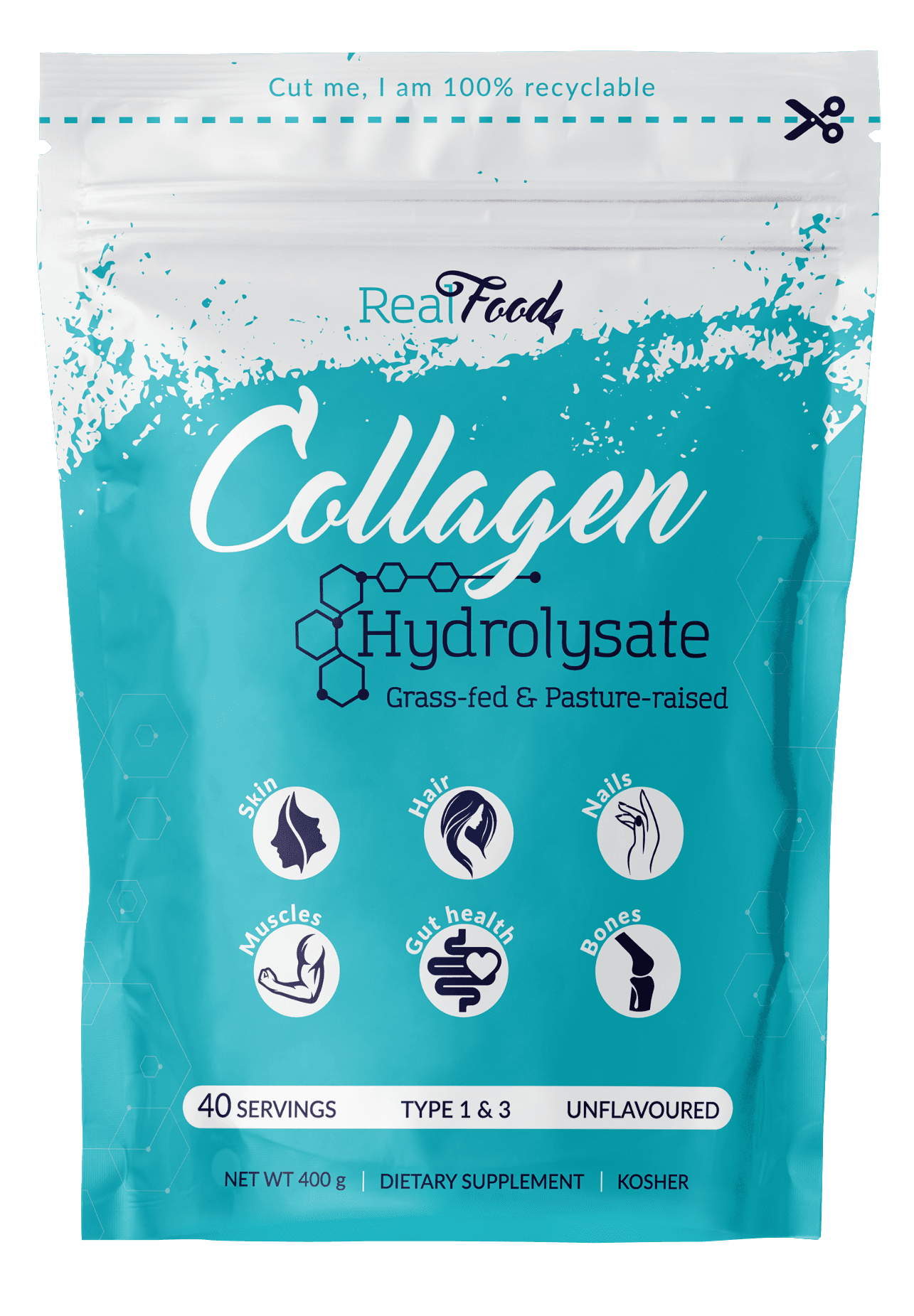
- Taking collagen supplements: One of the simplest ways to include collagen in your daily skin care routine is by taking collagen supplements. Choose high-quality collagen products that match your needs and preferences.
- Cosmetic products with collagen: Use cosmetic products that contain collagen. These can be creams, serums, masks, or lotions with collagen formulas. Apply them regularly to your skin to benefit from collagen's effects on improving skin elasticity and hydration.
- A healthy diet: Collagen is found in certain foods, so you can include collagen-rich foods in your diet. This includes beef and pork, fish, chicken, eggs, and gelatin.
- Careful skin care: Maintaining healthy skin requires regular and proper care. Make sure you cleanse your face properly, apply suitable moisturizing products, and protect it from the sun. Collagen will support the process of repairing and maintaining the skin's healthy structure.
- Hydration: Keep your skin well hydrated by drinking enough water and using hydrating products. Hydration is important for maintaining the elasticity and youthful appearance of the skin.
- Healthy lifestyle: A healthy lifestyle also affects skin health. Regular physical activity, a healthy diet, enough sleep, and avoiding nicotine and alcohol are important for beautiful, healthy skin.
Remember that the effects of including collagen in your skin care may be individual and require time and consistency. Be patient and consistent in maintaining your skin to achieve optimal results.
Other benefits of collagen for body health
Collagen is important not only for skin health, but also for the overall health of the body. Here are some of the benefits collagen can have for your health:
- Bone health: Collagen plays an important role in bone structure. Adequate collagen levels help maintain healthy, strong bones and reduce the risk of osteoporosis and other bone diseases.
- Muscle health: Collagen is important for optimal muscle function. It helps maintain muscle tone and optimal function during physical activity. Adequate collagen levels can improve athletic endurance and recovery after exercise.
- Hair and nail health: Collagen plays a role in maintaining healthy, beautiful hair and nails. Adding collagen to your hair and nail care routine can strengthen their structure, improve growth, and give them shine and a healthy appearance.
- Digestive system health: Collagen plays a role in the structure of the digestive system, including the walls of the stomach and intestines. Adequate collagen levels can improve digestive function and reduce the risk of digestive problems such as constipation or bowel disorders.
- Joint and tendon health: Collagen is a key component of joints and tendons. Adequate collagen levels help maintain the strength, elasticity, and flexibility of joints and tendons. This can improve mobility and reduce the risk of injuries.
- Cardiovascular health: Collagen plays an important role in the structure of the heart valves, blood vessels, and arteries. Adequate collagen levels can maintain cardiovascular health and reduce the risk of cardiovascular diseases.
These are just some of the many benefits collagen can have for the body's health. It's important to note that results can vary from person to person, and it's important to consult a health professional before starting to take collagen or other dietary supplements.
Conclusion: Collagen is the key to beautiful, healthy, youthful skin. Don't miss the opportunity to benefit from its many advantages and include collagen in your daily skin care. Now that you understand the importance and ways of taking collagen, start with a conscious choice of quality products and regular use. Make collagen your ally and enjoy beautiful, healthy, youthful skin. #collagen #healthyskin #youth



