









Post Contents [hide]
In the midst of the winter holidays, we often break our sports routine. Kiril Raykov, fitness and conditioning coach and founder of the sports organization 2sport4life, helps us stay in shape while still enjoying delicious food.
What are the main components in a successful athlete's menu?
With the development of epigenetics and technology, there are now various blood and non-blood tests that are a very good starting point for personalizing a nutrition plan. Such tests include: food intolerance tests, gut flora and microbiome analysis, blood tests for neurotransmitter function (serotonin, dopamine, etc.), various genetic tests, and tests for the metabolic status of different macronutrients (carbohydrates, fats, proteins).
The type of sport also matters. In strength sports, for example, we need to eat more protein and amino acids, while in endurance sports, such as a marathon, a higher percentage of carbohydrates is needed, with hydration and electrolyte intake as a priority. I advise everyone to add a pinch of Himalayan or French salt to their water during training.
And speaking of hydration, of course, how much water we drink per day also matters. There are several ways to calculate the amount, but the easiest way is to multiply your body weight in kilograms by 0.033.
Most important of all! For every athlete, caloric balance should match caloric expenditure, with quality, natural food intake, meaning we shouldn't go into a deficit, because that's when recovery will suffer.
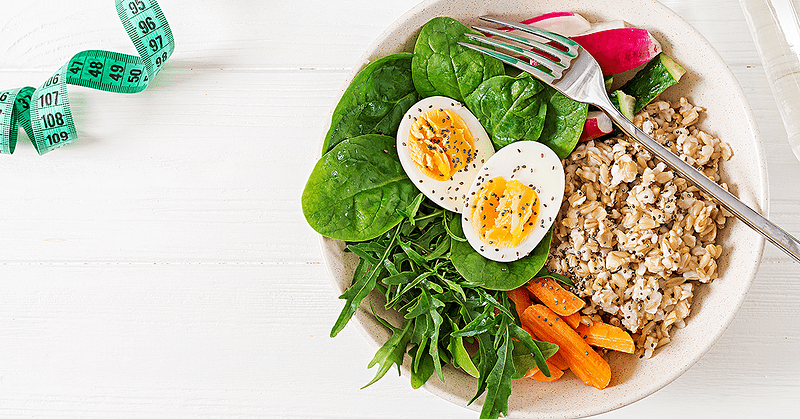
In previous years, this much attention wasn't paid to food quality…it was more like "eat more, eat so you can recover." Food needs to be clean and provide enough macronutrients: protein, carbohydrates and fats, depending on your goals.
Why isn't there a single formula for a healthy diet that works for everyone?
There can't be one formula for everyone, especially in times when allergies and gluten and lactose intolerances are so common, and a term like "leaky gut" is known even to children. High cholesterol, for example, can result from consuming too many different types of carbohydrates in one meal - for example, potato cream soup, rice and banana for lunch. And a very monotonous diet, even a healthy one, can slow down metabolism, because the body gets used to eating only chicken, broccoli and white rice.
That's why I recommend rotating different food sources. One day - fish, the next day - pork, the third day - beef and so on, together with vegetables, fruit, nuts, legumes, etc.
I should point out that, depending on what type of food we eat right after waking up, we activate the corresponding neurotransmitters for the whole day - a key factor for our energy levels.
Is there a specific nutrition plan for periods of heavy training and for recovery? What does it look like?
Recovery starts immediately, at the end of every workout - that's when the recovery process kicks in. Most people who train focus on the anabolic window, thinking it lasts only a few minutes after training, but research shows that what matters far more is the amount and quality of the protein, carbohydrates and fat we consume for effective recovery and progress in the 24-48 hours after training.
If we train in the morning on an empty stomach, we definitely need to get a source of carbohydrates and protein right after training. If we train in the afternoon and have already eaten well 2-3 hours before, missing the anabolic window isn't as critical.
Another rule is that the first meal should be within 2 hours of waking up, so the body has enough energy. As for therapeutic fasting, we'll just say it's a double-edged sword, and we need to know when it can be effective and when it can backfire.
We should emphasize that in an era when we can't live without dietary supplements, especially after age 30, our recovery and body function may not be optimal. We always recommend taking Omega-3 fatty acids, collagen, a probiotic, vitamin D and magnesium at different times of the year, naturally after analyzing blood test results in certain cases.
Sports nutrition and the holidays – how do we combine them?
We work with many elite athletes, teenagers, and people who simply want to be in shape. With them we stick to the 80/20 rule, even when it's not the holidays. That 20% can always be something "forbidden", although nowadays there are plenty of healthy ice creams, pizzas, and all kinds of sweet foods that can actually be beneficial. There's no problem - the holidays come, and we need to relax, both mentally and socially.
Athletes can afford to eat more, even go beyond the usual limits, compared to an average person who doesn't train as much and doesn't burn as much energy.
Up to age 30-35 we feel "immortal" - most health problems and diseases in general appear after that age. After 30-35, everyone should prioritize training and healthy eating, not the other way around. Unfortunately, people stop training and taking care of their bodies.
Your three most important tips?
First and most important: eat slowly, calmly and with variety. Second - be active, do the sport you enjoy. And third - eat within 2 hours of waking up and stop eating 4 hours before bedtime, following the 80/20 rule. Naturally, don't forget to drink enough water up to 30 minutes before and 60-90 minutes after a main meal. This is a way of life!

