









Post Contents [hide]
Omega-3 fatty acids are very important for your health. And the best way to get enough of them is to eat foods rich in omega-3, such as oily fish. If you're not a fan of oily fish, however, you can get the omega-3 fatty acids you need in the form of a dietary supplement. There are hundreds of different omega-3 supplements on the market. And they don't all offer the same health benefits. That's why we created this short guide, which will help you choose the best dietary supplement to give your body the highest-quality fish oil.
What Types of Fish Oil Are There?
Fish oil comes in both natural and processed forms. Processing can affect the form the fatty acids take. This makes it clear that some forms of fish oil are absorbed by the body more easily than others. Here are the types of fish oil you can find:
Fish: In whole fish, omega-3 fatty acids exist as free fatty acids, phospholipids and triglycerides.
Fish oil: In natural, unprocessed fish oils, omega-3 fatty acids are found mostly as triglycerides.
Processed fish oil: When fish oils are processed, either to be purified or concentrated, they become ethyl esters, which don't occur in nature.
Reformed triglycerides: The ethyl ester in processed fish oils can be converted back into triglycerides, which are then called “reformed” triglycerides.
This makes it clear that if you want to be sure of the effect your dietary supplement will have, natural fish oil is the best choice. It's the closest substitute for eating fish. Natural fish oil also contains a few other important nutrients. About 30% of the oil is omega-3 (EPA and DHA), while the remaining 70% consists of other fatty acids, which can help with absorption. In addition, natural fish oil contains vitamins A and D, which are also very important for the body.
Salmon, sardines and cod liver are among the most common sources of natural fish oil. These oils are usually found in liquid form and are more resistant to oxidation than processed oils. That's why, if you want natural, high-quality fish oil, make sure it's extracted from one of these types of fish. Here are 5 more things to pay attention to:

Purity
Fish oil can contain high levels of environmental contaminants such as heavy metals (mercury, lead and arsenic), polychlorinated biphenyls (PCBs), dioxins and furans. These should be removed during the distillation process and should meet international standards when tested. But it's best for them not to be present at all. That's why, when choosing fish oil, make sure it's extracted from fish living in the cleanest possible waters. Such are the waters of the Norwegian Sea and the North Sea.
Freshness
Certain types of fat, especially long-chain polyunsaturated fats like fish oil, are highly prone to oxidation. This is measured through tests that show the oil's peroxide value. It should be lower than 5 meq/kg (milliequivalents per kilogram). Peroxide value is a measure of how much oxygen has reacted with the oil. Check this too when choosing fish oil.
Sustainability
The main source of Omega-3 is fish living in the seas, most commonly wild salmon or cod. So how can you make sure your fish oil comes from a sustainable source? Norwegian producers are known to be certified both by “Friend of the Sea” and by IFFO-RS, the global authority on responsible sourcing, and use fish caught within the strictest international guidelines. That's why you won't go wrong choosing fish oil of Norwegian origin.
Liquid or Capsules
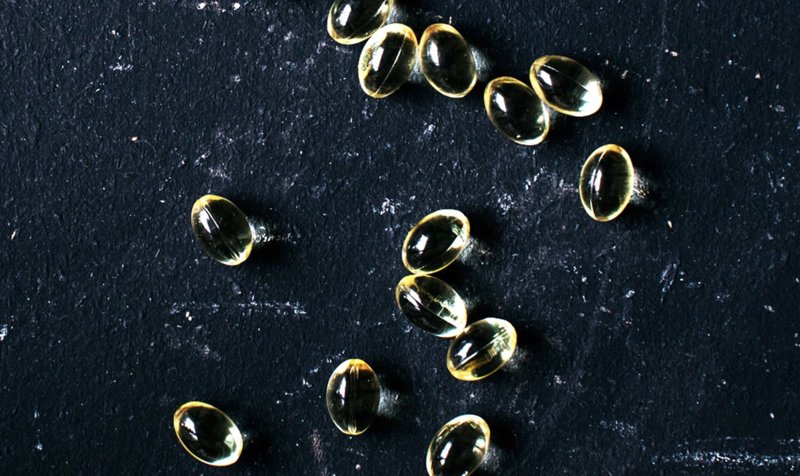
There are several reasons why some people prefer liquid supplements over capsules, and vice versa. The key benefit of taking Omega-3 in liquid form is its tendency to be absorbed better. Your digestive system has to effectively break down the capsule before it can absorb the Omega-3.
The main advantage of taking capsules is convenience. There are no drops and no risk of spilling (and wasting) the supplement, which makes them more suitable if you travel often. You don't want a suitcase full of fish oil, right? They're also popular among people who are sensitive to the taste of fish.
Price
Here it's not simply about the amount you'll spend, but about the value you get for your money. When it comes to dietary supplements, cheap isn't always as good as it seems, and expensive isn't always as expensive as it seems either. That's why, before trusting a cheaper product, it's good to check how much Omega-3 is contained in a single dose. Often, cheaper products contain a smaller amount of Omega-3, which means that to get the amount your body needs, you have to consume a larger quantity.


