Gut health plays a key role in our overall wellbeing – from digestion and nutrient absorption to immune defense and even mental health. One of the elements increasingly studied for maintaining a healthy gut barrier is collagen – a key structural protein in the human body. But how exactly does it affect the stomach lining and gut?
Collagen and the Gut Barrier: The Connection
Collagen is rich in amino acids such as glycine, proline and glutamine, which play a key role in tissue repair and maintenance, including the lining of the gut and stomach. This lining is the first line of defense against pathogens, toxins and poorly broken-down food molecules.
When this barrier weakens or is damaged (a condition known as «leaky gut» or leaky gut), a number of problems can occur:
- Chronic inflammation
- Food intolerances
- Autoimmune reactions
- Impaired digestion
How Does Collagen Help?
Strengthens the Integrity of the Gut Lining
1. Collagen provides glycine and glutamine – amino acids that support tissue repair and the regeneration of epithelial cells in the gut. This can help with:
- Closing microscopic openings in the intestinal wall
- Preventing toxins and bacteria from entering the bloodstream
- Reducing the risk of intestinal permeability
2. Reduces Inflammation in the Digestive Tract
The glycine contained in collagen has anti-inflammatory properties and may help relieve irritation and inflammatory conditions in the digestive system – including irritable bowel syndrome (IBS) and Crohn's disease.
3. Supports Digestion
Collagen can stimulate the production of stomach acid, which is necessary for properly breaking down food and absorbing vitamins and minerals. This is especially important for people with reduced stomach secretion (hypochlorhydria), who often experience bloating, gas and discomfort after eating.
4. Helps Recovery After Intestinal Disorders
After bouts of gastroenteritis, taking antibiotics, or prolonged stress, the gut lining can become damaged. Regular intake of hydrolyzed collagen helps it recover and return to normal function.
How Should We Take Collagen for Gut Health?
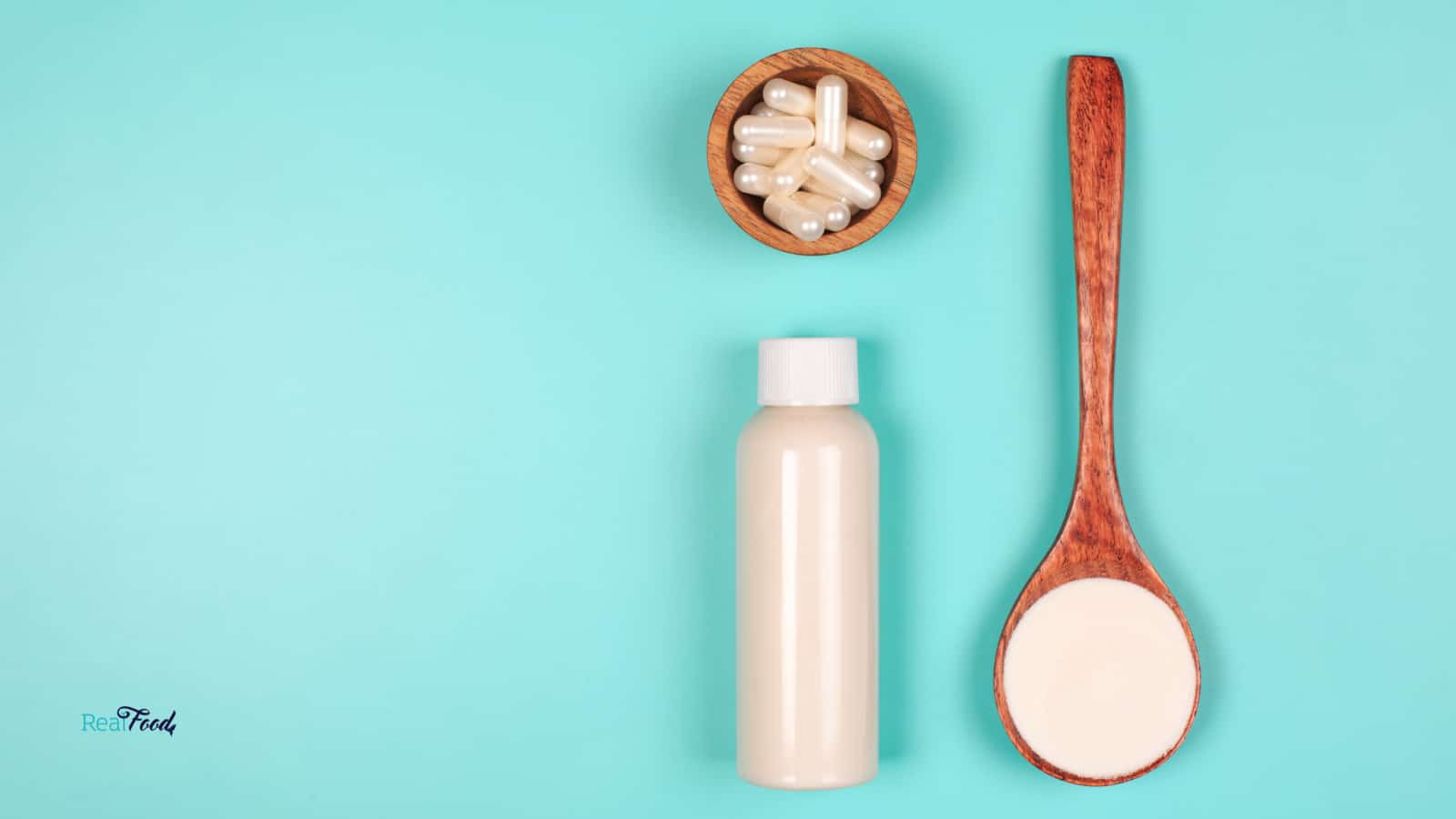
- Choose hydrolyzed collagen (peptides) – it has a lower molecular weight and is absorbed more easily.
- Combine it with vitamin C, which supports the synthesis of new collagen.
- Take it daily by adding it to your morning drink, smoothie or water.
- For maximum benefit – combine it with an anti-inflammatory diet rich in fiber and probiotics.
Conclusion
Collagen isn't just a cosmetic supplement for skin and hair – it also plays a key role in maintaining a healthy digestive system. With its regenerative and anti-inflammatory action, collagen supports the gut lining, improves nutrient absorption, and can help with conditions such as "leaky gut," irritable bowel, and other digestive problems. If you're looking for a natural way to take care of your gut – collagen is an excellent ally.
🔍 Important: If you have chronic or serious health conditions, it's advisable to consult your treating physician before starting to take dietary supplements.