How to maintain optimal magnesium levels?
Source: Based on a blog post by Dan Corrigan, co-founder of Smidge® and certified consultant of the Root Cause Protocol. -4 ways magnesium can kick in when stress levels are high | Smidge® (getsmidge.com)
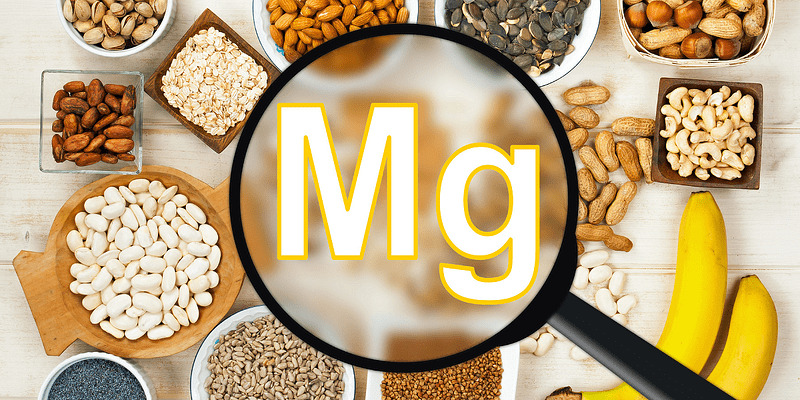
Nuts, leafy greens, beans, seeds, avocado (and, yes, unprocessed dark chocolate!) are high in this mineral. And yet, even when we eat these magnesium-rich foods, we can still fall short of what we need.
Because soil minerals are becoming depleted, many foods no longer deliver enough nutrients to our bodies. What's more, our bodies don't produce magnesium on their own, yet we need it for almost every system to run smoothly (read part 1 of the series "How Magnesium Can Help With Stress").
Factors that make it hard to hold on to magnesium include:
- age (the older you are, the less you retain);
- stress;
- exposure to aluminum;
- magnesium loss through urine and sweat glands.
Morley Robbins - creator of the magnesium-based treatment and prevention method known as the Root Cause Protocol (learn more in part 2 of the series), calls this a person's "magnesium depletion rate." Everyone has different health issues and challenges, so we all burn through our magnesium at a different pace.
Morley says: "First, understand that stress 'eats' magnesium - that's how we're built as a species. The more stress you're under, the more magnesium gets depleted in your body. Magnesium loss is the metabolic price we pay for all the pressure and tension we feel.
Make a list of all the dimensions of your stress... Food allergies, dependence on processed food, exposure to heavy metals, use of prescription medication, and the "grandfather" of them all - psychological and emotional stress - these are just some of the stressors that drain our magnesium reserves.
Do everything you can to reduce these harmful habits or challenges, so you can protect yourself against magnesium "leaks." Understand that because of stress, your body craves more magnesium."
In short, the mineral your body "eats" fastest when you're stressed is exactly the one that can relieve that very stress.
The recommended daily dose for adults is between 320 and 420 mg per day. But this depends on a person's biological needs and health history.
Depending on your magnesium depletion rate - that is, the factors in your life that make your body burn through all its available magnesium - you may need more.
The first and best way to get more magnesium is from fresh, green, and whole-grain foods, and nuts. (see examples in part 2 of the series).
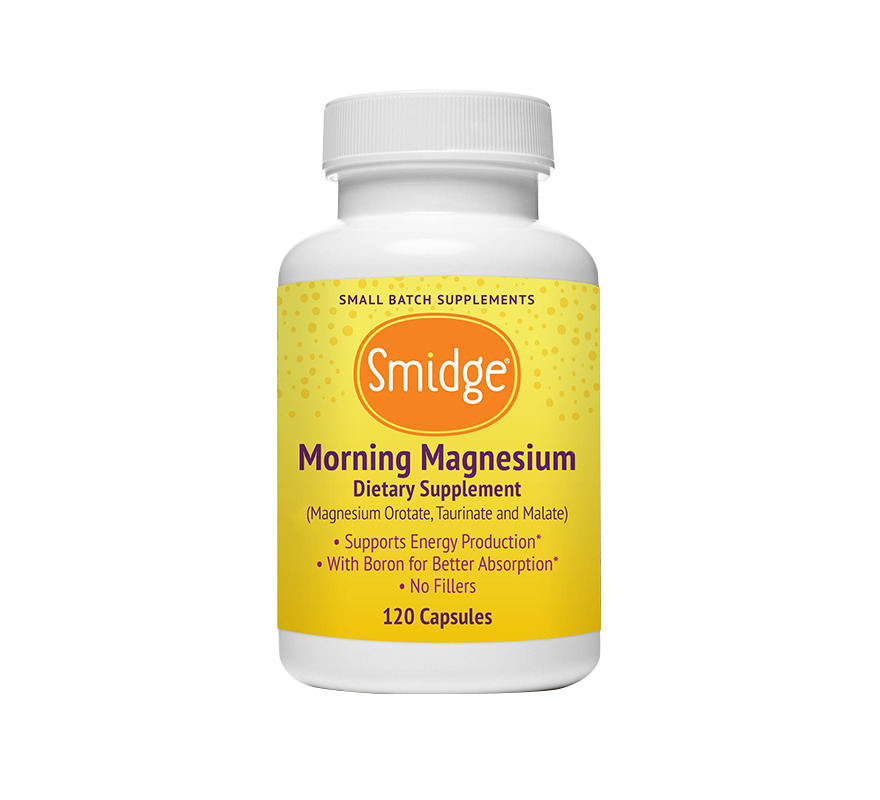
But it's nearly impossible to get enough magnesium from food alone, so you also need supplements. The fastest way is to take a quality magnesium supplement every day.
You can determine the right amount of magnesium for you per day by consulting a gastroenterologist.
In addition, you can:
- use high-quality mineral drops in your water once a day, or add a bit of sea salt to every glass of water you drink;
- take Epsom salt baths when needed;
- drink mineral water;
- and/or find a natural magnesium oil and use it topically - for example, rubbing it into the soles of your feet, or take a relaxing warm foot bath.