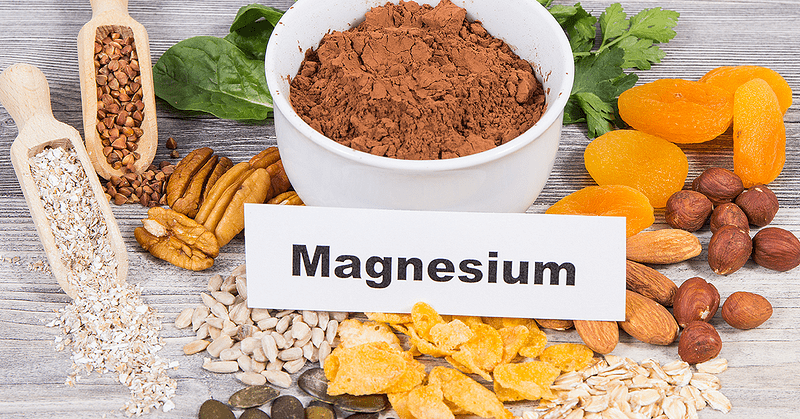
Eating foods rich in magnesium helps the body fight stress and supports healthy cardiovascular function. The optimal balance of this mineral in the body provides the energy and vitality we need every day. Revisit how magnesium affects our physical and mental health in Part 1 of this series.
Source: Based on a post from the blog of Dan Corrigan, co-founder of Smidge® and a certified Root Cause Protocol consultant. - 4 ways magnesium can kick in when stress levels are high | Smidge® (getsmidge.com)
Foods with dietary fiber that contain magnesium
RDA - recommended daily allowance
1 cup equals 250 ml
- Pumpkin seeds: 46% of the RDA in a quarter cup (16 g)
- Spinach, lightly steamed: 39% of the RDA in one cup (180 g)
- Swiss chard, lightly steamed: 38% of the RDA in one cup (175 g)
- Dark chocolate (80% cocoa or more): 33% of the RDA in 100 g
- Black beans: 30% of the RDA in one cup (172 g)
- Cooked quinoa: 33% of the RDA in one cup (185 g)
- Halibut: 27% of the RDA in 3.5 oz (100 g)
- Almonds: 25% of the RDA in a quarter cup (24 g)
- Cashews: 25% of the RDA in a quarter cup (30 g)
- Mackerel: 19% of the RDA in 3.5 oz (100 g)
- Avocado: 15% of the RDA in one medium avocado (200 g)
- Salmon: 9% of the RDA in 100 g
The most magnesium-rich foods, recommended by Morley Robbins – creator of the magnesium-based treatment and prevention method – Root Cause Protocol, are:
- Seafood: seaweed and oysters;
- Whole grains: buckwheat, millet, wild rice, etc.;
- Leafy greens: beet greens, mustard greens, spinach and kale;
- Nuts and seeds: cashews, almonds, pistachios and pumpkin seeds;
- And everyone's favorite – chocolate: but only unprocessed, naturally sweetened dark chocolate with a high cocoa content of 80% or more. Go for 100% cocoa if you can.
Please note that many commercially available grains are processed in ways that remove the nutrient-rich germ and bran, which significantly reduces their magnesium content.
For more ways to make sure you're getting enough magnesium as your body's stores are quickly depleted, read Part 3.
Also check out the first article in this series: How Magnesium Can Help With Stress (Part 1) (realfood.bg)