










Post Contents [hide]
Summer is a wonderful time to relax and enjoy the warm weather, long days and cool nights. But as September, the last summer month, arrives, the days start getting shorter and the evenings cooler. That means only one thing:
Autumn is knocking on the door, and with it comes cold and flu season.
The change of seasons always leaves its mark on our bodies. But the shift from a hot summer to a rainy autumn is trickier than we think. During these months, the days get shorter, and there's less and less sunlight. The autumn rains arrive. It gets colder outside.
All of this affects the body in the form of low mood, depressive states, sleep disturbances and reduced immunity. Why? Because while summer lets us get our necessary vitamin D from the sun with ease, in autumn and winter we no longer have that option.
That's why, if you want to help your body handle the change of seasons more easily, and protect yourself from the viruses circulating in autumn and winter, it's a good idea to start taking care of yourself as early as possible. These 7 tips will help you boost your immunity and stay healthy and energetic through the cold months.
Get at least 7 hours of sleep
Have you noticed that when you're sick you sleep more? That's not a coincidence.
Sleep and immunity are closely linked. In fact, poor-quality sleep can make you more susceptible to illness. On the other hand, deep, restful sleep can strengthen your body's natural immune response.
If you have trouble sleeping, try limiting the use of electronic devices for at least an hour before bed, since the blue light emitted by your phone, TV and computer can disrupt your natural sleep cycle.
Eat more fruit and vegetables
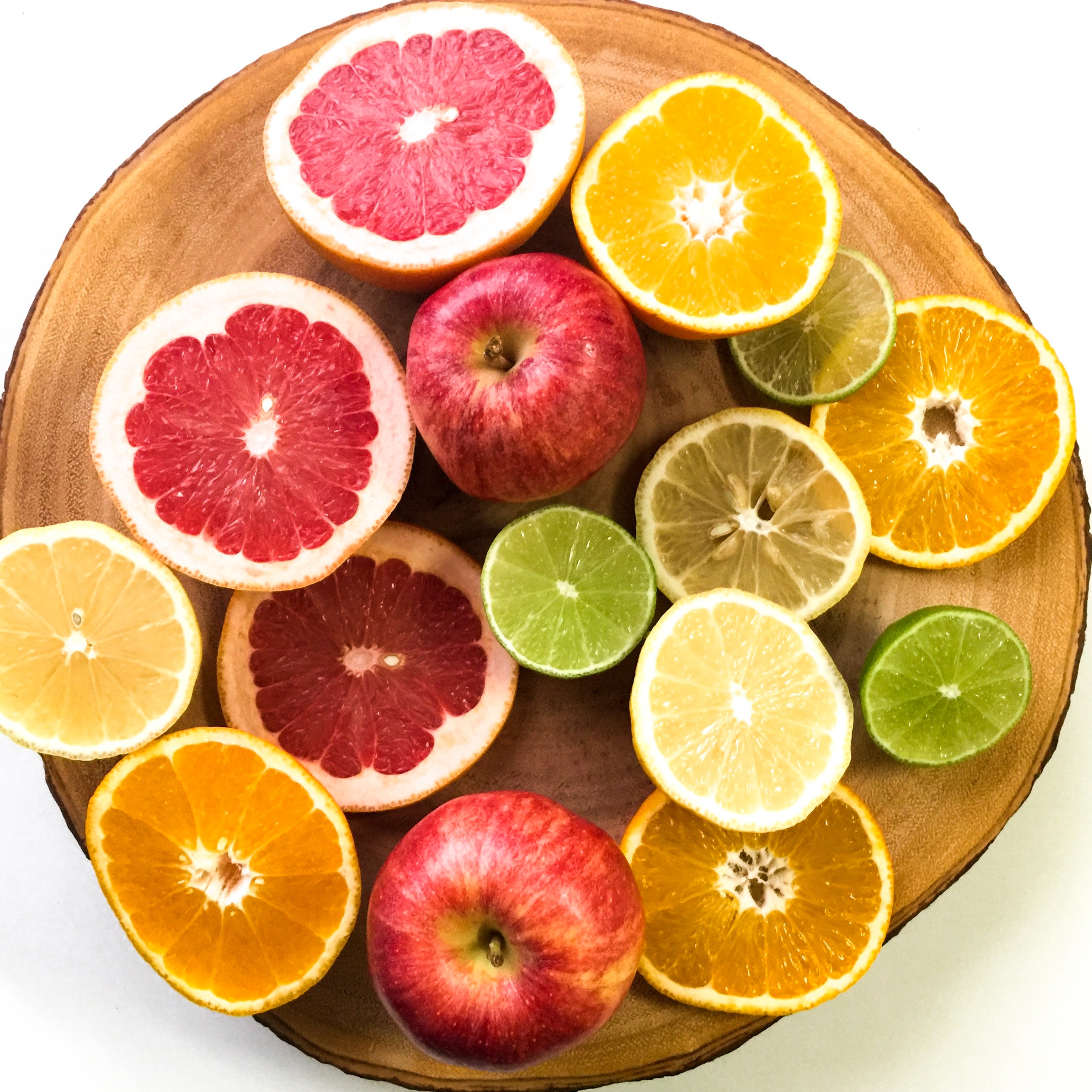
Foods like fruit, vegetables, nuts, seeds and legumes are rich in nutrients and antioxidants that can give you an edge against harmful pathogens. The antioxidants in these foods help reduce inflammation by fighting unstable compounds called free radicals, which can cause inflammation when they build up in your body.
Chronic inflammation is linked to numerous health conditions, including heart disease, Alzheimer's and certain types of cancer. Meanwhile, the fiber in plant foods feeds the community of healthy bacteria in your gut. These bacteria can improve your immunity and help prevent harmful pathogens from entering your body through the digestive tract. In addition, fruit and vegetables are rich in nutrients such as vitamin C, which can shorten the duration of a common cold, should it come to that.
Give your body enough collagen
Collagen doesn't directly help with colds, but it can indirectly help strengthen our immune system and overall health. Glutamine is a key amino acid necessary for a strong immune system, and it's also a key amino acid found in collagen. Glutamine plays a role in cell renewal and stimulating immune cells. It helps speed up this process, which means faster recovery and stronger cells to protect against illness.
In a similar way, it helps strengthen the gut. A weak intestinal lining allows bad bacteria to enter our system more easily. By increasing your collagen intake, you strengthen the connective tissues that help heal the lining of the gastrointestinal tract. This way you can protect yourself from bad bacteria that could otherwise turn into an illness or infection.
Great Lakes Hydrolyzed Collagen is easy to take, convenient to store, and provides the dose of collagen your immune system needs.
Get enough Omega-3
Healthy fats, like those found in olive oil and salmon, can boost your body's immune response against pathogens by reducing inflammation. Omega-3 fatty acids are important components of your cell membranes and can influence and regulate their properties.
That's why it's important to get enough Omega-3 if you want to prepare your body for the cold months. If you don't like fish, or aren't sure you're getting enough, taking fish oil is a great way to give your body the Omega-3 it needs.
Exercise regularly, but watch the intensity of your workouts
Intense, heavy-duty workouts can weaken your immunity, while light, gentle movement can strengthen it. That's why, if you want to boost your immune system before virus season, give your body plenty of movement, but don't overdo it with the weights.
Walks, yoga, swimming and any exercise that gets you moving without overloading you are all well suited to this period.
Don't forget hydration
Hydration doesn't necessarily protect you from germs and viruses, but drinking enough water is important for your health.
Dehydration can cause headaches and interfere with your physical performance, focus, mood, digestion, heart and kidney function. These complications can increase your susceptibility to illness.
To prevent dehydration, you should drink enough fluids daily, preferably water.
While tea and juice also hydrate, it's best to limit your intake of fruit juice and sweetened tea because of their high sugar content.
Don't forget the sunshine vitamin
Vitamin D has several important functions for the body. Perhaps the most important is normalizing the function of the immune system. Getting enough vitamin D is important for the normal growth and development of bones and teeth, as well as for improved resistance to certain illnesses.
When the seasons change from summer to autumn and the days get shorter, our access to this vitamin decreases. In autumn and winter, when the sun appears less often, a lack of vitamin D can significantly weaken our immune system. That's why, if you want to boost your immunity, getting vitamin D is extremely important.
Rosita Fish Oil is a natural source of vitamin D and will give you the amount you need to stay healthy and breeze through the cold months.



