









Post Contents [hide]
Did you know that healthy, beautiful skin starts with what you eat? We all know how important it is to eat healthily in order to avoid cardiovascular problems and maintain a healthy weight. But did you know that the health of your skin also depends largely on what you eat? Yes, genetics also plays a role, and external factors influence the skin. The cosmetics you use shouldn't be underestimated either. But the well-known phrase "beauty comes from within" is not a coincidence.
Find out more about how food affects your skin and which are the 10 foods that will give you beautiful, smooth skin:
How food can help you look great... or exactly the opposite
Food delivers nutrients to your body. Some of these nutrients protect your skin cells from the sun's rays, others keep your skin hydrated, and some limit skin damage caused by harmful molecules known as free radicals.
There are nutrients that have the power to boost cellular metabolism, revealing healthier skin underneath. Some even build strong cell walls for smooth, supple skin.
On the other hand, fast and ultra-processed foods, such as frozen meals, soda, fried potatoes, processed meats and most commercial baked goods, contain fewer nutrients and are usually high in salt, sugar, unhealthy fats and artificial additives.
Processed, refined and artificially manufactured foods and snacks can cause inflammation in your body, while also fueling inflammation on your skin. Skin inflammation can manifest as redness, acne and breakdown of the skin's structure, leading to sagging.
Processed foods can also raise your blood sugar, feeding acne and wrinkles through a process called glycation, which also causes the formation of free radicals.
Free radicals and your skin
If you've ever been interested in preserving your health and beauty, you've most likely come across the term "free radicals" at least once. Free radicals are molecules that have an odd number of electrons in their outer layer. A free radical carries a negative charge and struggles to balance it, so it steals an electron from a balanced atom, in turn creating another free radical.
Free radical damage (also known as oxidative stress) occurs when your body creates more free radicals than the antioxidant activity available to handle them.
Free radicals are a key driver of the aging process. They can contribute to cancer, Alzheimer's disease and many other forms of chronic disease. They can also damage the skin by stealing electrons from the atoms within it.
Two of the most visible effects of free radicals are wrinkles and collagen breakdown (which in turn causes sagging skin). While aging and wrinkles are a natural part of life, it's possible to slow the process by limiting your exposure to unnecessary free radicals and by following a diet rich in antioxidants.
You can avoid free radicals by cutting out processed foods and limiting your exposure to cigarette smoke, alcohol, environmental pollutants and industrial chemicals or solvents - including pesticides, herbicides and toxic household cleaning products.
How do antioxidants fight free radicals?
Antioxidants create a buffer between your body and the dangerous free radical. They donate electrons to free radicals so that they don't damage other cells.
Antioxidants also help activate your body's natural ability to heal itself and remove oxidized cells that are no longer useful to your body.
Where can you find antioxidants?
Natural antioxidants are just as widely available as free radicals.
Every organ in your body fights oxidation in its own way, so you need many different antioxidants to make sure your body is protected against free radicals.
Antioxidants are created both naturally within your cells and through the food you eat.
And here you might be asking yourself:
"If my body makes its own antioxidants to fight free radicals, why does it matter what I eat?"
Put simply, your body doesn't produce some of the best antioxidants, such as vitamin C for example, which you need to get from food.
What's more, many of us face more pollution, eat more processed foods, use products with more chemical ingredients and are exposed to more stress than in the past.
Without careful support for your body's functions, you may face significant oxidative stress, which can fuel disease and premature aging.
10 antioxidant-rich foods for healthy, beautiful and youthful skin
And after everything said above, we present to you 10 foods known as powerful antioxidants. Eating them regularly will help your body cope more easily with oxidative stress, resulting in youthful, beautiful and healthy skin.
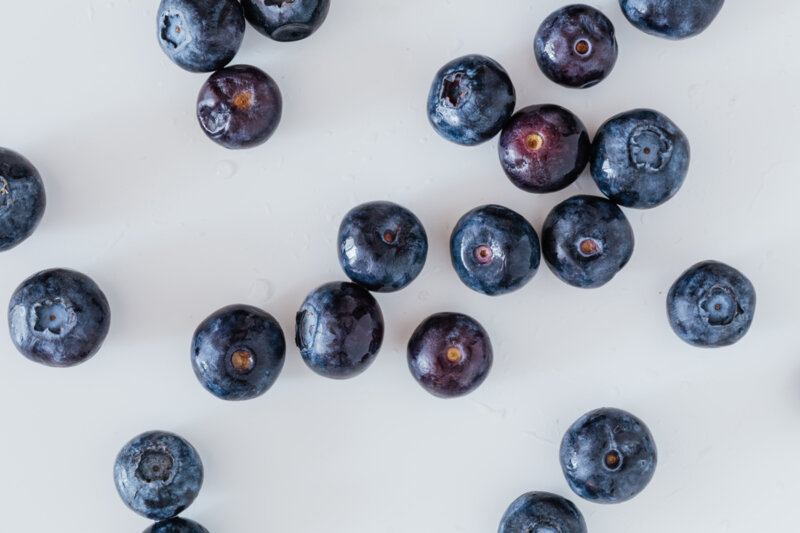
Blueberries
Blueberries are on almost everyone's superfood list - and for good reason. They're among the most antioxidant-rich foods on earth.
The relatively mild taste of blueberries means you can enjoy them at breakfast, in afternoon smoothies, in dinner salads, or simply eat them straight when you're hungry.
If you want variety, you can also include strawberries, raspberries and blackberries in your menu - all red fruits are an excellent choice and will fill you up with antioxidants.
Oranges
Oranges are full of water (which helps keep your skin hydrated) and vitamin C.
Your body needs vitamin C to produce collagen, a protein that keeps skin healthy and fights the signs of aging.
One medium orange has more than 100% of the recommended daily intake of vitamin C! That's why it's worth including this delicious citrus fruit in your daily menu.
Pomegranate
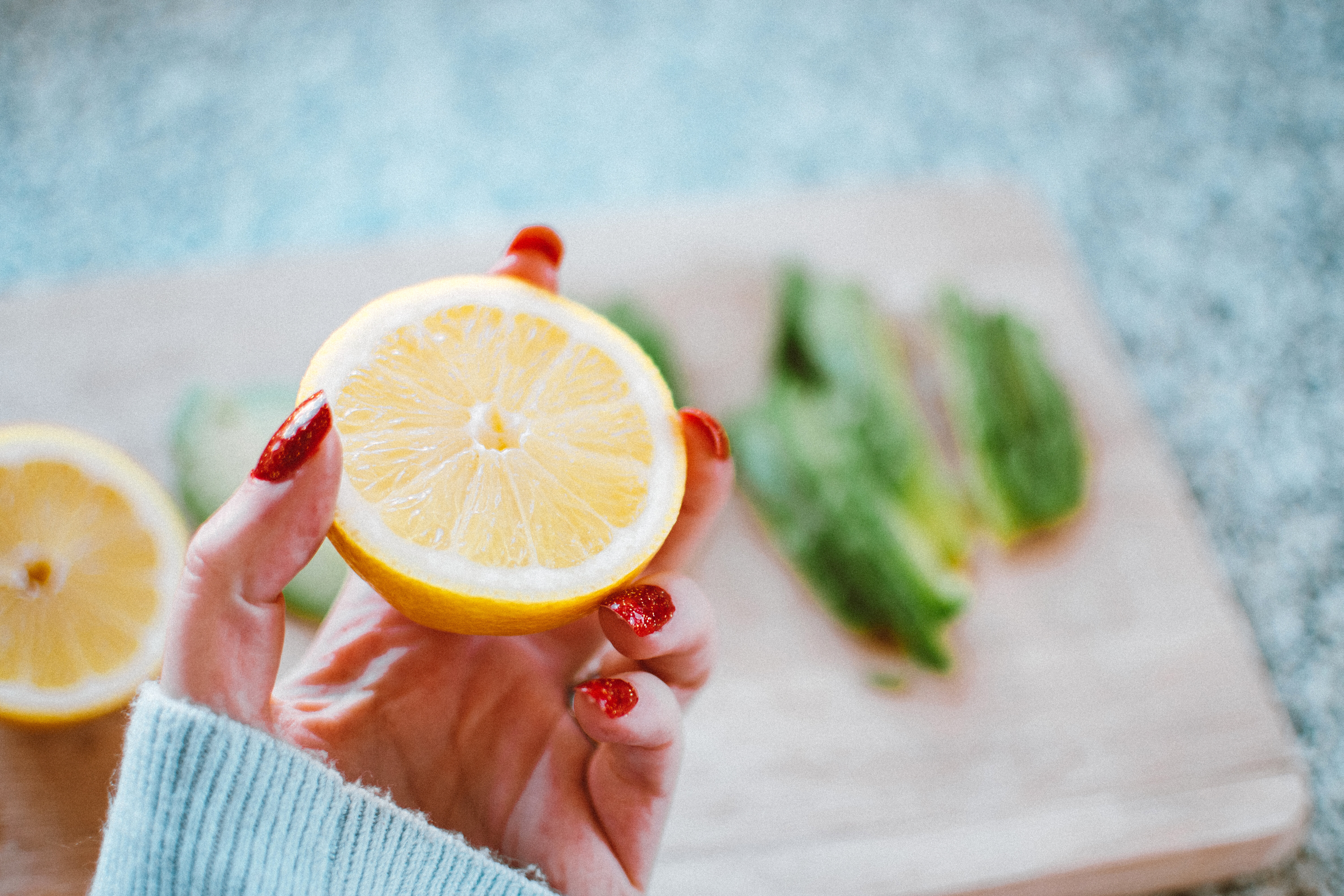
Pomegranates are another excellent source of vitamin C, as well as other antioxidants that fight free radicals and promote healthy skin tone.
(A note for dog owners: pomegranate can be quite harmful to your pets, so be especially careful.)
Tomatoes
Besides being an excellent source of the all-important vitamin C, tomatoes are a rich source of the powerful phytochemical lycopene.
Lycopene is an important antioxidant that protects the skin from sun damage (by eliminating the free radicals caused by ultraviolet rays) and promotes blood circulation. It has also been found to help fight cancer.
Watermelon
These juicy summer fruits contain about 92% water, which helps keep your skin hydrated.
Watermelons are also full of lycopene, so eating them can help protect your skin from aging, wrinkles and skin cancer.
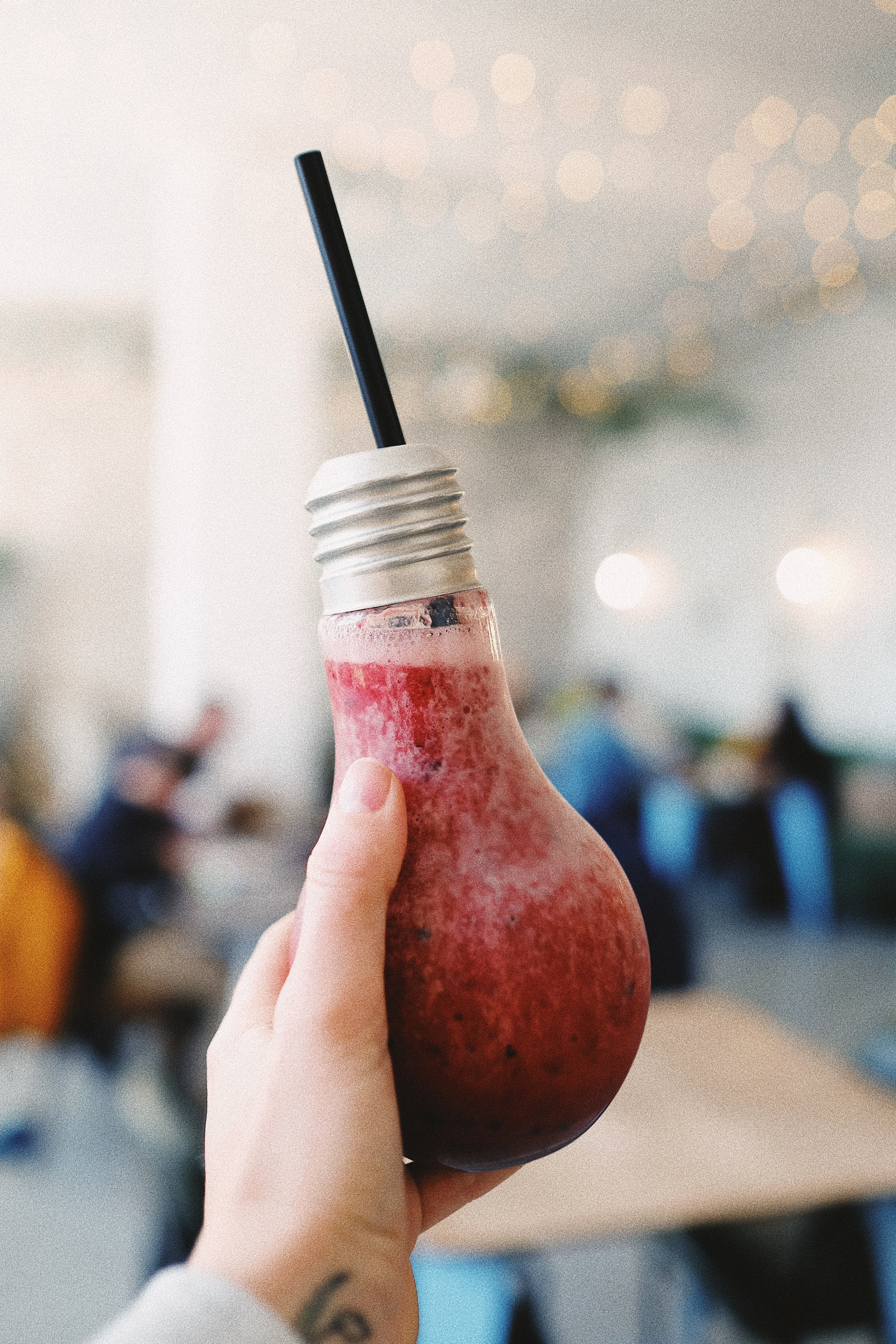
In fact, one average watermelon has about 40% more lycopene than raw tomatoes. Include watermelon in your daily menu in the form of a smoothie, fruit salad or simply as an afternoon snack.
Avocado
You've probably heard that avocado contains a huge amount of healthy (monounsaturated) fats, which help develop and maintain healthy cells while also reducing the risk of heart disease and stroke.
Avocado also contains:
- The antioxidant vitamins A and E, which protect against UV rays and keep the skin moisturized
- Glutathione, a powerful antioxidant;
- NMN, a compound that may protect the skin from aging.
Kale
It's no surprise that leafy green vegetables appear on the list of antioxidants. Kale is high in potassium, which keeps skin cells hydrated and healthy.
It also contains the antioxidant vitamin K, which helps with blood clotting and can help with spider veins, scars and dark circles under the eyes.
Sweet potatoes
It's a well-known fact that sweet potatoes taste better and are more beneficial than other types of potatoes. Sweet potatoes are rich in vitamin C and beta-carotene, which your body converts into vitamin A and antioxidants.
Wild salmon
Wild salmon can be an excellent source of low-mercury omega-3 fats, which can keep skin moisturized, reduce inflammation and even help protect against skin cancer.
Green tea
Hydration is essential for healthy skin. And green tea is one of the best ways to stay hydrated.
It contains antioxidants, vitamin B3 and a chemical (EGCG) that helps skin cells stay healthy.
Green tea also contains caffeine - about a quarter as much as coffee, so if you're sensitive to caffeine, it may be a good idea to control your intake.
Staying hydrated and enjoying an abundance of varied antioxidant-rich foods can bring you benefits for a lifetime. Your skin will thank you for it too.
And of course, food is only part of an overall health and beauty program. A nice, brisk walk (yes, even in winter!) helps maintain cardiovascular and mental health. And sunlight can stimulate your body to produce the extremely health-boosting vitamin D. All of this will have a positive effect on your skin as well. So, if you want to look young for longer, incorporate all these activities into your daily life, along with the right foods.

